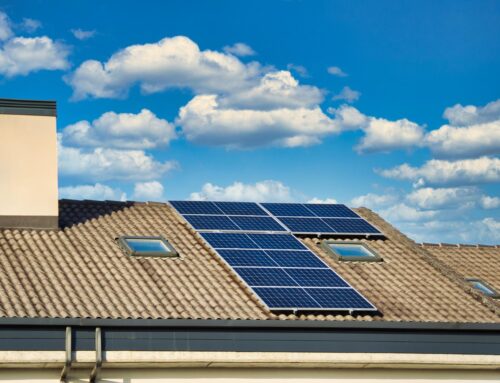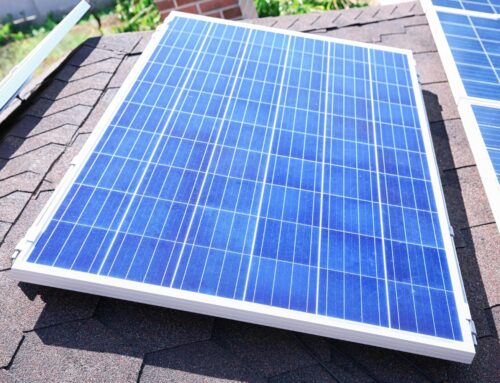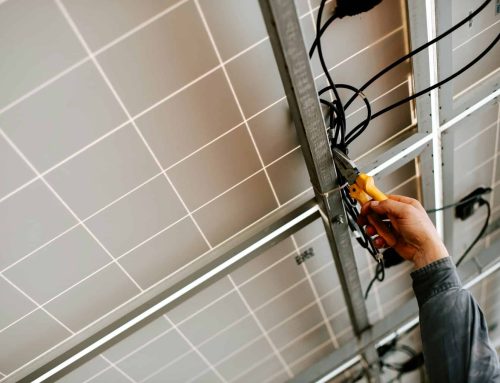
As the cooler months start to fade and we head towards spring, many Adelaide homeowners may still be asking the same question: does solar actually work well in winter? While bright summer skies might seem like the obvious time to benefit from solar energy, your system doesn’t suddenly switch off during the colder months. It’s still generating power, but how much and how consistently it does depends on a few factors like panel quality, position, and how your setup handles low-light conditions.
Winter solar performance in Adelaide comes with its own set of challenges, but that doesn’t mean your home needs to rely more heavily on the grid. Understanding the effects of shorter days and less sunshine can help you make smarter decisions when it comes to your rooftop system. Whether you’re already using solar or thinking about getting it installed, knowing how it handles a typical Adelaide winter will help you get the most out of your investment.
Understanding Winter Solar Performance
Shorter daylight hours are one of the biggest issues for solar systems in winter. With the sun rising later and setting earlier, panels have fewer hours to soak up light and turn it into usable power. On top of that, the sun sits lower in the sky, which means the angle and intensity of sunlight hitting the panels are reduced.
Add to that the frequency of cloudy days and rain common in Adelaide winters, and it’s easy to see why some homeowners worry about energy output. Solar panels still work when it’s overcast, but not as well as they do in direct sunlight. That dip in performance can become noticeable, especially if your system isn’t designed to make the most of low-light conditions.
Here’s where it becomes important to understand what causes low output and what you can do about it:
– Sunlight Angle: During winter, the sun’s angle is much lower, which affects how much light your panels get. Systems that aren’t angled correctly may miss out on available light.
– Shading: With daylight hours limited, any shade from trees, buildings or even nearby structures becomes a bigger issue. Winter shadows tend to stretch longer.
– Weather Conditions: Rainy or overcast days limit sunlight exposure. While your panels still produce energy, the output is lower. A well-designed system can still make good use of these conditions.
Picking panels and inverters tested for good performance in low-light conditions can make a noticeable difference. Another smart move is pairing your system with a home battery. That way, when you do generate more power during clearer days or even afternoons, you can store it and use it later. This is especially useful during Adelaide’s cool but often clear winter days.
Understanding how these environmental factors work helps you get more out of your system. It’s not just about peak summer generation, it’s about steady performance across the seasons, and winter is no exception. One example is a home in the Adelaide Hills with panels facing north and a minor tilt to optimise winter sun angles. Even with a run of cloudy days in July, the battery charge held enough power through to evening, thanks to the careful system planning.
Maximising Solar Efficiency In Winter
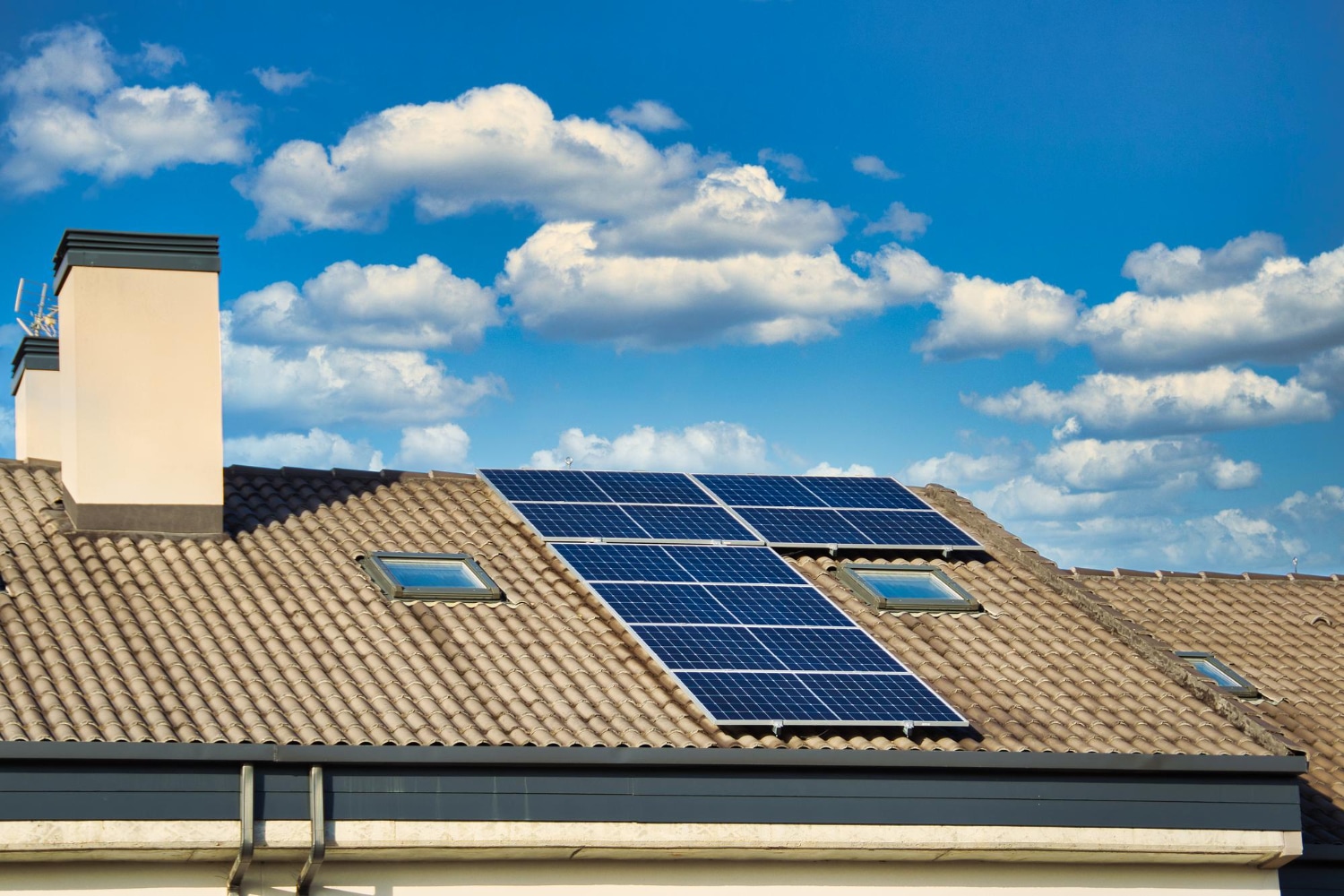
To get the most out of your setup in winter, it starts with good planning. The way your panels are installed plays a big part in how well they perform when the sun is lower or skies are overcast. If you’ve got a pitch roof, the angle of installation matters a lot, especially in months when the sun doesn’t climb as high.
Here’s what can make a solid difference:
1. Panel Positioning and Angling
Installing panels at the right tilt to catch more of the lower winter sun is key. North-facing systems tend to work best in Adelaide, but this might vary depending on your roof layout. Panels that are slightly steeper can sometimes perform better in winter because they catch sun earlier and later in the day.
2. Use Quality Panels and Inverters
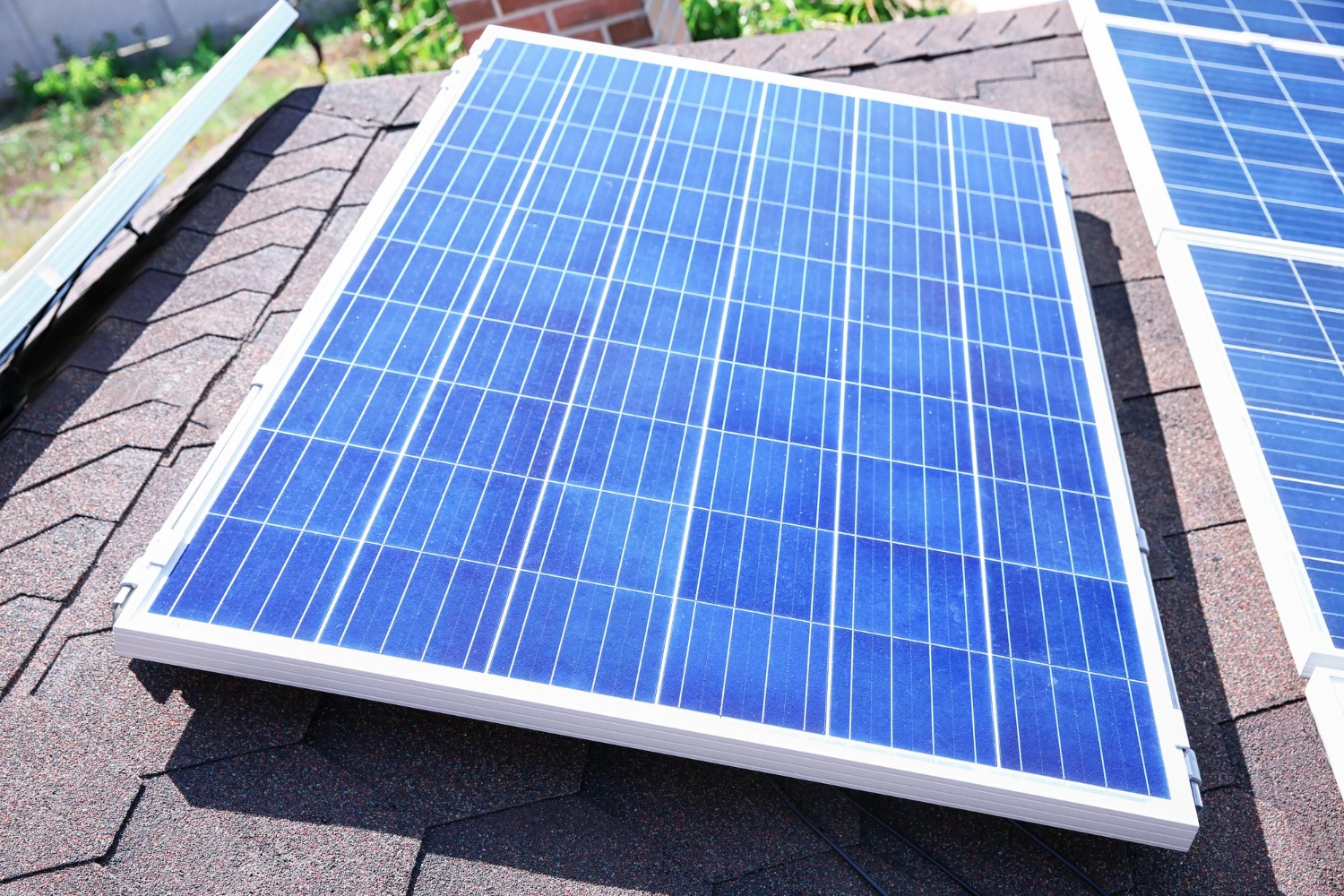
Not all panels are built equal. Some brands have been tested under lab conditions to work better during weak sunlight or gloomy weather. The combination of premium solar panels with high-efficiency inverters ensures your system gets the most energy possible even from milder light.
3. Add Battery Storage
A battery lets you store power generated during the best parts of the day. That way, even when the sun isn’t shining, you’re still using power generated right from your rooftop instead of tapping into the grid. This helps keep your bills down and your power steady, especially in the early mornings and evenings.
Solar doesn’t need to stop being useful just because it’s winter. With the right technology and smart installation choices, winter can actually show you how reliable and flexible a rooftop system can be year-round.
Benefits of Ethical Sourcing and Superior Quality
When choosing solar panels, quality and sourcing can make all the difference, especially during winter. Panels that are ethically sourced offer more than just peace of mind. They often bring better performance and durability. With many panels on the market today, selecting ones that are slavery-free and made with non-toxic materials ensures your investment aligns with environmentally friendly practices.
But why does this matter for performance? Panels built with superior materials can endure harsh weather conditions better, including the wet and cold. Panels certified to withstand hailstones, for example, aren’t just good for reducing damage risk. They ensure continued efficiency during unpredictable Adelaide weather. Winter puts your panels to the test, and choosing ones designed for durability means less worry about performance dips when hail or storms hit.
It’s also about consistent energy output. Panels with a higher quality build tend to perform more reliably across varied seasons. Testing and performance analysis in independent labs offer insights into which panels hold their charge better under low light. So, picking panels that consistently rank high in these tests means fewer surprises in winter, maintaining steady power flow to your home. This consistency is useful for managing energy costs and helping you achieve your household energy goals.
Preparing Your System For Winter
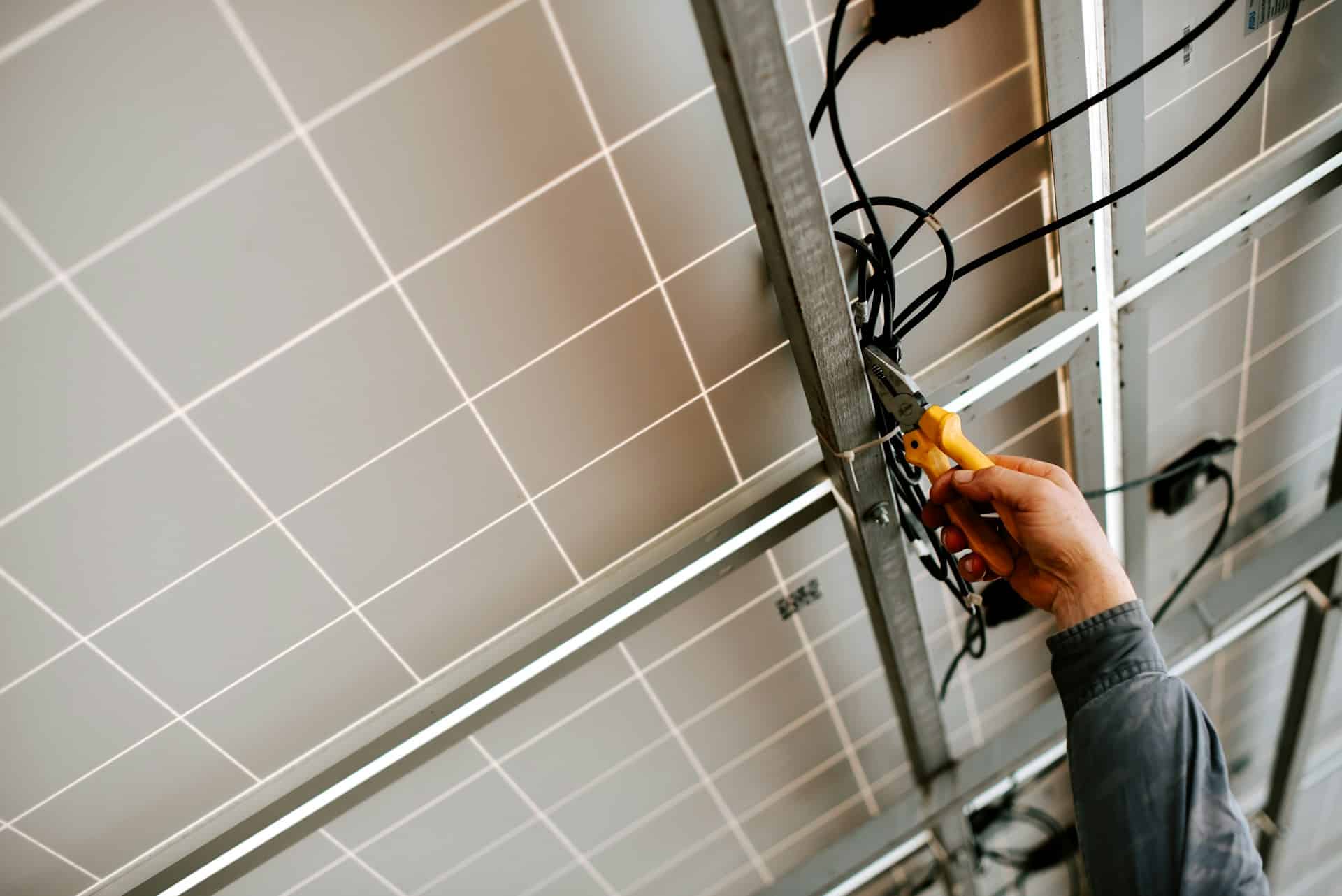
If you’re getting a solar power setup in Adelaide or planning to upgrade, it’s important to make sure it’s ready for winter. While it’s a bit late for pre-winter prep, thinking about how your system performs throughout is always useful. Having a professional check or upgrade your existing system can catch any issues that lower performance in cold months.
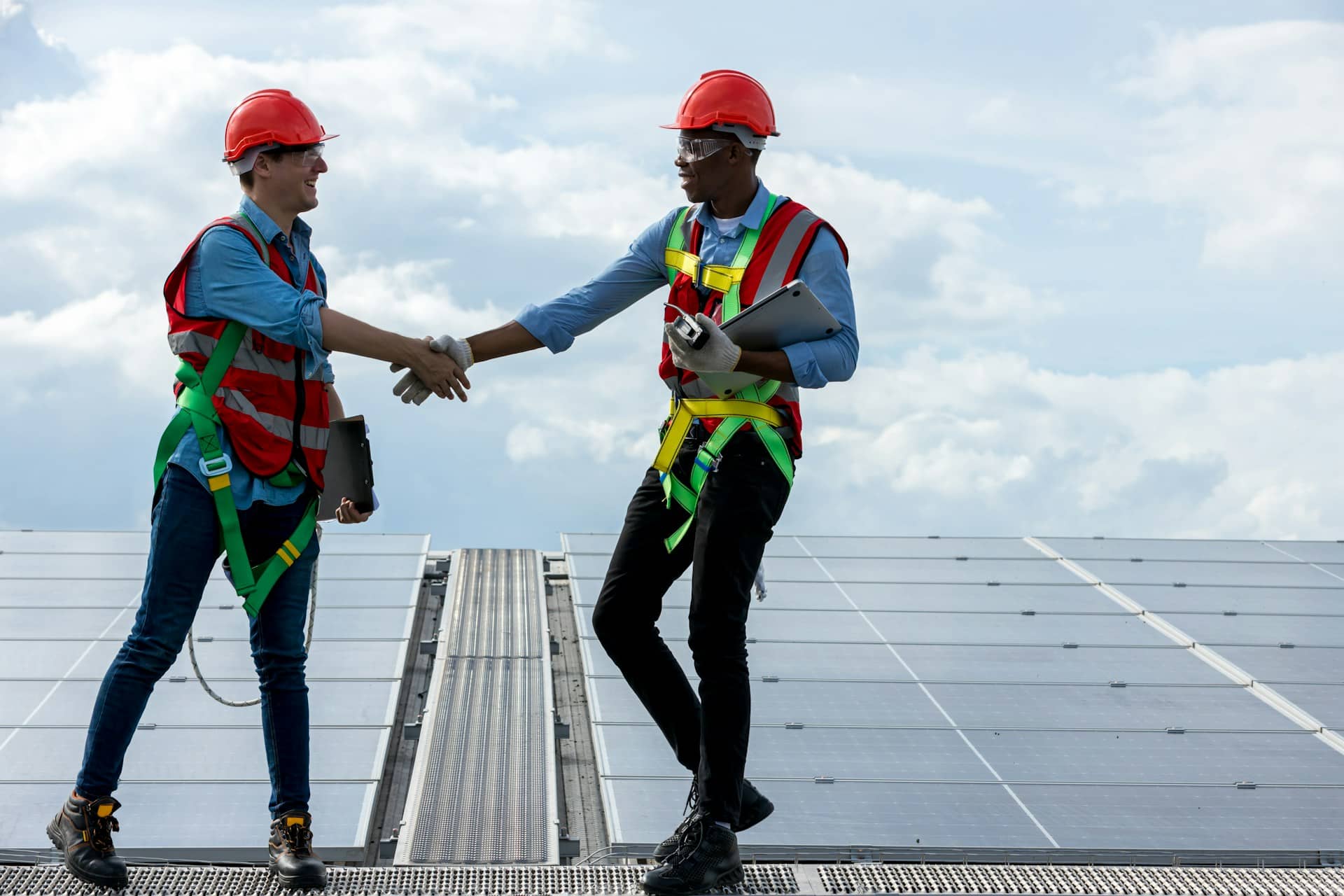
The right professional support ensures your system is checked for reliable performance. They can assess everything from your panel angles to inverter efficiency. Professionals can also highlight potential issues before they become problems, safeguarding your energy production. Having someone keep an eye on your system ensures you aren’t missing out on valuable solar energy when overcast days are frequent.
A well-supported system pays off in both comfort and savings. Getting the most from your setup means observing how it performs in winter, evaluating any fluctuations, and considering adjustments. While some tech helps with automated checks, having expert insight provides assurance and peace of mind.
How Smart Solar Choices Pay Off in Winter
Understanding how solar systems perform in winter can help you get the most from yours. It’s about being informed and proactive about the factors that impact energy output during colder months. From choosing high-quality components to considering ethical sourcing, these small decisions strengthen your system’s durability and year-round effectiveness.
Investing in expert checks and professional advice helps you stay confident in your system’s output, no matter the season. With a setup made to suit Adelaide’s conditions, your solar investment becomes more than just a summer solution. Winter just might be the time when the true quality of your solar power installation in Adelaide proves its worth.
If you’re thinking about upgrading or installing solar, the right setup can make a big difference in reducing your power bills and improving year-round performance. Choosing a high-quality solar power installation in Adelaide gives your home the edge, even in cooler months. Energy Buster offers expert advice and premium systems designed to deliver reliable energy results through every season.