Lots of Adelaide homeowners and small business owners are starting to think about solar batteries, especially with summer just around the corner. Adding storage to your rooftop solar system sounds simple at first. But connecting solar panels for storage takes more than just stacking a battery next to your inverter.
The way panels and storage work together can make or break your system’s performance. From the angle of your roof to how your home uses power in the evening, the setup has to fit just right. Whether you are aiming to save more on bills, prep for outages, or use more of your own solar instead of exporting to the grid, the design matters. Here is how everything connects, what needs the most attention, and what to know before you get started.
How Solar Panels and Storage Work Together
Solar panels create energy when the sun hits them. That energy runs to your inverter, which changes it into electricity for your home. When you are not using all that power right away, it usually goes back to the grid. But if you add battery storage, your system changes.
With solar panels for storage, the energy flows first to your home, then fills up the battery. Only once the battery is full does any extra energy go to the grid. This helps you use your solar into the evening, which is handy during summer when the air conditioning is going after dark.
Some older systems are not ready to pair with a battery straight away. These might be set up for exporting only, with inverters that cannot charge batteries or boards that need upgrades. Getting the right advice makes all the difference—storage is a plan, not just a plug-in job.
What Your Roof Setup Needs Before Adding Storage
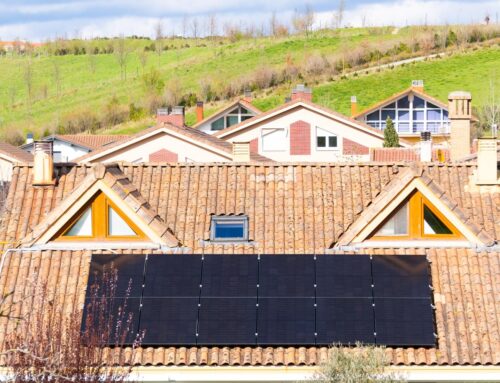
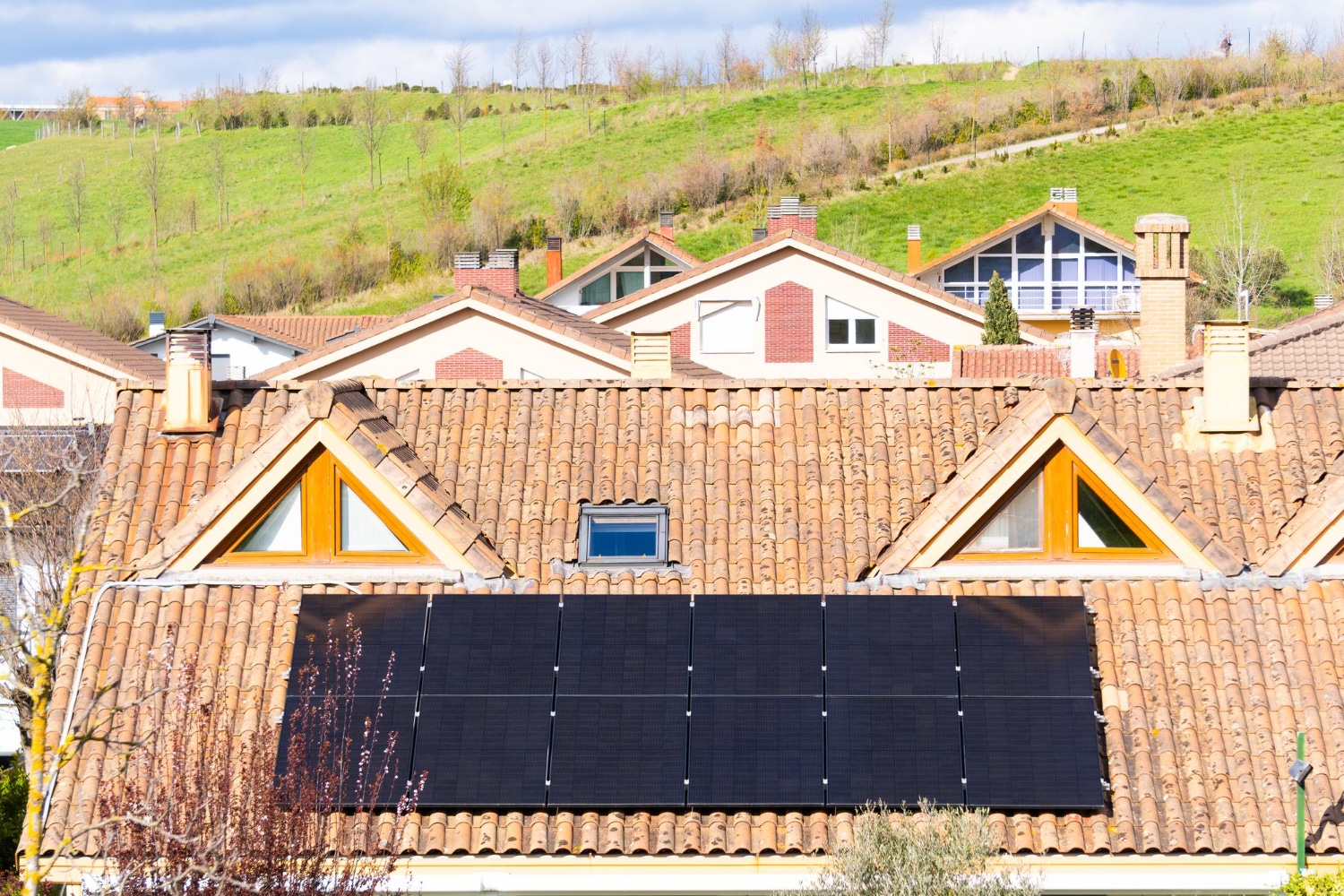
Before fitting solar panels for storage, check your roof closely. Many Adelaide homes have low-pitch tin or tiled roofs, and not all designs work for big solar arrays. Storage will only help if your panels can fill it with enough energy in the first place.
Panels need long hours of sunlight to keep your battery full. Placement on north-facing parts of the roof usually works best. Any shade from trees, antennas, or second-storey walls can block sunlight, cutting input and lowering storage. Flat or low-pitch roofs or those with tricky layouts may need special designs to get the most from summer sun.
Panel quality is key—strong panels mean more power and better storage use. For Adelaide conditions, choose panels that pass tough hail and heat tests. Energy Buster, for example, only installs panels and mounting systems certified for hail impact and South Australia’s strong sun, giving you a fit that lasts year-round.
A well-designed layout—one that matches the pitch, avoids shading, and keeps wiring direct—helps you store as much energy as possible for long summer days and sticky nights.
Choosing Panels That Work Well with Home Batteries
Efficiency matters more than you think. Panels that keep going on cloudy or hot days, or when shade starts to creep in, do a much better job charging your battery consistently. Higher conversion rates mean more energy for storage, especially when daylight hours are long but use patterns change.
Choose panels independently tested for local weather, not just generic models built for other climates. Look out for lab certifications that show how panels handle heat, UV, hail and sudden changes in light.
It is also worth thinking about sourcing. Some panels now carry slavery-free and non-toxic certifications, so you know your system is clean from start to finish. Energy Buster only installs panels from manufacturers that have clean supply chains and strict environmental standards.
Picking the right panel means you are not only storing more solar, but also making a choice you can stand by.
Planning Storage Around Your Household Needs
Every home is different. Some use most of their energy during the day, others have peak loads after dark. Matching your battery size and setup to these patterns is key. If you are heavy on morning heating or like running cooling late at night, you need enough storage to keep you going till sunrise.
A battery system is more than just storage—it is how you manage your power. The right inverter acts as a smart traffic cop, moving solar where it is needed most and responding to how the house uses energy. Advanced setups let you check everything from a phone app, fine-tune your settings, or plan for seasonal changes.
Summer in Adelaide can mean very high power use when temperatures soar. Plan your storage to match. There is no point fitting a small battery just for show—design it so your most-used appliances can draw from solar after dusk, when bills jump and grid demand peaks.
Making Solar and Storage Work Together Long-Term
A proper solar panels for storage system can smooth out bills, help you ride out grid downtime, and give you more control every month. In a climate as unpredictable as Adelaide’s, with long sun hours but wild weather swings, smart design pays for itself.
Focus on matching panels, batteries, and roof layout. Choose certified products that stand up to hail, heat, and long-term use, with ethical supply chains as standard. If the system fits your needs from the start, you are set up for more savings, fewer headaches, and a better return through each summer stretch.
The right fit is more than capacity—it is about planning your solar and storage so they last, linking every rooftop panel to the backup power you can count on both now and through the changing seasons.
If you’re planning to add battery storage for your home or small business in Adelaide, the quality of your panels plays a big role in how well your system works. High-performance panels help store more usable energy and support smoother battery charging during hot afternoons or grid strain. You’ll get more control, better reliability, and fewer surprises. Start by checking which solar panels for storage perform well in our local conditions. If you’d like help matching your panels and battery to your energy needs, we’re here to guide you.