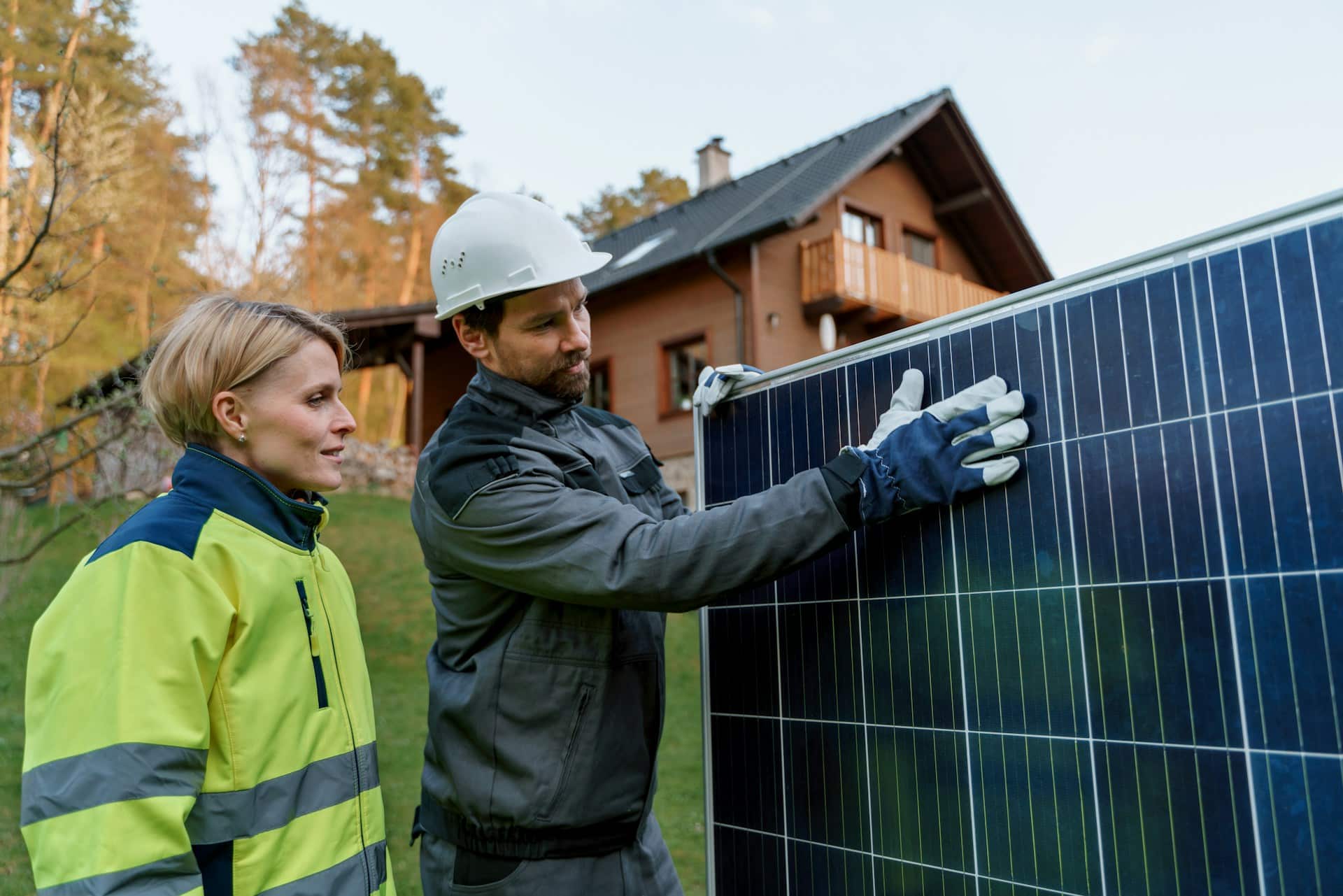
When considering the installation of solar panels, one important factor for Adelaide homeowners is how well these panels can withstand hailstorms. Hailstone durability plays a vital role in ensuring that home solar systems are resilient against severe weather. This is especially true for those living in regions where hailstorms can be a significant threat. It makes sense to prioritise the strength and durability of solar panels to protect investments and maintain consistent energy production regardless of weather conditions.
Certified solar panels are an excellent choice for those looking to safeguard their homes against hail damage. These panels are manufactured to meet rigorous standards, ensuring they can endure the pelting of hailstones without compromising functionality. This write-up explores how certified solar panels can offer an added layer of protection, giving residents peace of mind knowing their investment is secure, even during the harshest weather.
The Importance of Certified Solar Panels
What sets certified solar panels apart is their proven ability to perform under tough conditions. Certification means these panels have passed tests for reliability and durability, delivering assurance to homeowners that they can withstand elements like hail. The certification process involves thorough checks by independent bodies to ensure the panels meet specific quality benchmarks.
The main advantage of certified solar panels is reassurance. Homeowners don’t have to worry about their panels cracking or failing during intense storms. These panels are designed to endure hailstones that frequently hit Adelaide. Certification labels act as a symbol of trust, letting consumers know they’re choosing a reliable product.
The benefits of opting for certified over non-certified panels include:
– Proven strength, thanks to passing industry-standard tests
– Longer lifespan due to enhanced durability
– Better protection against frequent hailstorms in regions like Adelaide
– Increased value to the property due to high-quality installations
Investing in certified panels ultimately means enjoying peace of mind, knowing your solar system is more robust and less likely to incur damage. This not only ensures ongoing energy savings but reduces maintenance and repair worries, allowing homeowners to maximise their investment fully.
Hailstone Durability and Testing Standards
Not all solar panels are built to handle harsh weather. That’s where hailstone testing comes in. Certified panels go through specific testing to prove they can hold up when large chunks of ice slam into them at high speeds. These aren’t gentle taps of rain. We’re talking ball-bearing-sized hail hitting with solid force. If your panels can’t take that, the damage can lead to cracks, electrical faults or worse, full system failure.
Testing for hail resistance isn’t a guessing game either. There are well-defined test procedures used globally. During these tests, ice balls of set sizes are launched at the surface of a solar panel under controlled conditions. The panel must survive without serious cracking or breaking. Certified panels go through repeated trials to pass this test. If they do, that certification offers peace of mind to anyone living in areas like Adelaide, where hailstorms can sneak up without warning.
High-quality panels often exceed the minimum benchmarks. Some even take on larger impacts than what’s required, proving they’re ready for the unexpected. For local homeowners, this kind of assurance matters, especially when insurance coverage doesn’t always fully compensate for performance loss if a panel fails after being struck. Choosing panels that have been hail-tested isn’t overkill. It’s simply being smart about longevity.
Case Studies: Certified vs Non-Certified Panels in Extreme Weather
Picture this. Two homes in Adelaide install different solar systems: one with fully certified panels, one with cheaper, uncertified ones. A few months pass, and a hailstorm strikes. The next morning, the first homeowner wakes up to find the solar system operational. The second homeowner checks theirs and finds cracks across several panels, a drop in output, and the added stress of organising repairs.
That story isn’t far-fetched. It’s the kind of problem many face when they try to cut costs without thinking long-term. Certified panels are tested to manage impact, and real weather events prove that testing has value. Panels that skip that step often don’t hold up as well. Once damaged, replacements can take a while due to supply times or installer availability, and there’s the added cost of labour.
Don’t buy into the idea that certification is only about branding. It shows a panel has been checked for performance when it counts, under real-world stress. Some people assume all panels are made equal because they look similar on the roof. That’s a mistake. Not all glass, backing or internal components perform the same during heavy hail. Certification helps remove that gamble.
How To Identify Certified Panels For Your Roof
If you’re starting the hunt for a new solar setup, understanding how to spot certified panels can help protect your long-term savings. It’s easier than it might seem. Certifications are usually listed on the product datasheets or technical specs. You can also ask your solar installer to provide proof of hail-impact testing. A quality installer should have no trouble giving you clear answers.
Here are a few simple questions to ask:
- Has this panel been tested for hail resistance? If so, to what standard?
- Can you show independent test results or certification documents?
- Do the warranty terms cover hail damage, or are they voided under certain conditions?
- What size hail is the panel rated to survive?
- Are the panels made with materials designed for high-impact resistance?
Try not to focus only on price when you’re reviewing different solar panel quotes. If the offer sounds too cheap and there’s no mention of certification, it probably hasn’t been tested very well or at all. And don’t forget to check the angle and pitch of your roof. Panels on flatter roofs tend to get the worst of any hail because the impact is more direct, so certification plays an even more important role in those setups.
Certified panels combine good materials with smart engineering, aiming to withstand both wear and weather. Especially around Adelaide, where springtime often brings unpredictable storms, you’re better off choosing panels designed to take a hit and keep going.
Why Trust Energy Buster with Your Solar Needs
When it comes to protecting your home and lowering long-term energy costs, working with a trusted provider makes a difference. At Energy Buster, we offer only high-quality, ethically sourced solar systems and are proud to be South Australia’s only SunPower Elite Partner. This means we deliver panels that meet the highest standards of performance, durability and certification.
Our experience with Adelaide homes and weather conditions allows us to recommend solar solutions built for resilience. We understand the impact of sudden hailstorms, and our certified panel offerings are selected to help you manage that risk more confidently.
By choosing Energy Buster, you’re opting for expert local support, lasting results and proven protection from harsh weather. Whether you’re thinking about your first solar system or upgrading a current one, we make it easy to choose certified panels that keep your investment secure for years to come.
If you’re ready to protect your investment and get more value long-term, Energy Buster can help you choose high-performance solar panels in Adelaide that are built to handle unpredictable weather and deliver year-round savings.