A 6.6 kW solar system in Adelaide gets talked about a lot. It is often seen as the standard size for a family home or a small business setup, and while that works for many, it is not always the best fit for everyone.
As we head into another long South Australian summer, more homeowners and small business owners are looking to cut their bills and take charge of their energy. But starting with the wrong system size can lead to future limits, or wasted money and power. So, who actually needs this setup? Let us look at what this size really does, who it suits, and where something else might work better.
Understanding What a 6.6 kW System Can Do
A 6.6 kW system looks good on paper, but it helps to know what it can really handle through a regular day in Adelaide. With longer daylight hours and strong sun, this system can often deliver between 20 to 28 kWh daily, depending on panel efficiency, roof angle, and cloud cover. That is enough to meet the daily needs of most medium households or small shops that run equipment fairly regularly.
Inverter rules play a big part in why 6.6 kW has become a popular size. In South Australia, this system pairs a 6.6 kW panel array with a 5 kW inverter, letting people export energy to the grid and stay within standard connection limits. This mix supports strong production during sunny days, without needing upgrades to grid connections.
A system this size can run air conditioners during long heatwaves, keep fridges cold, and let the washing machine and lights run without constant grid use. It offers breathing space for homes and shops—but only when matched with real use, roof space, and good design.
Is Your Roof Ready for a 6.6 kW Setup?
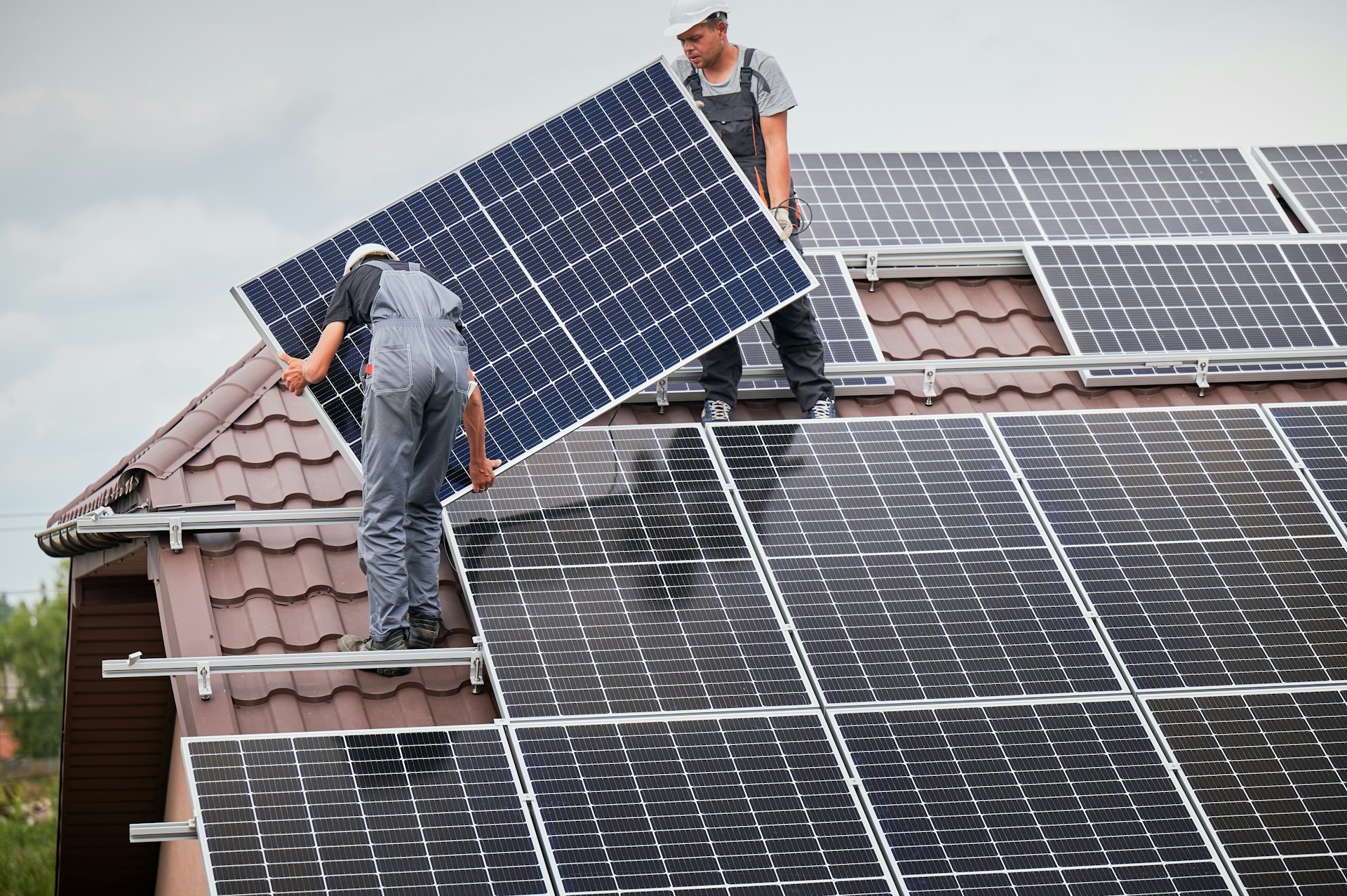
Not every home or business has the right roof for this layout. Throughout Adelaide, you will find plenty of low-pitch tin roofs, along with tiled ones that can crack or shift if not set up with the right gear. Proper panel placement is crucial.
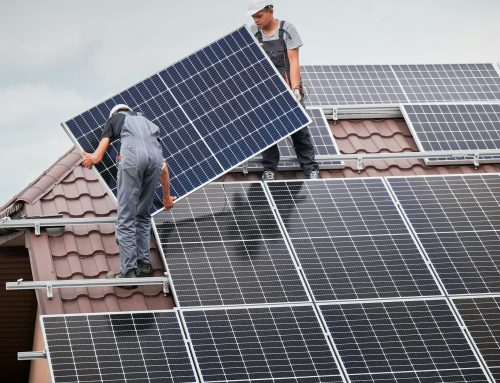
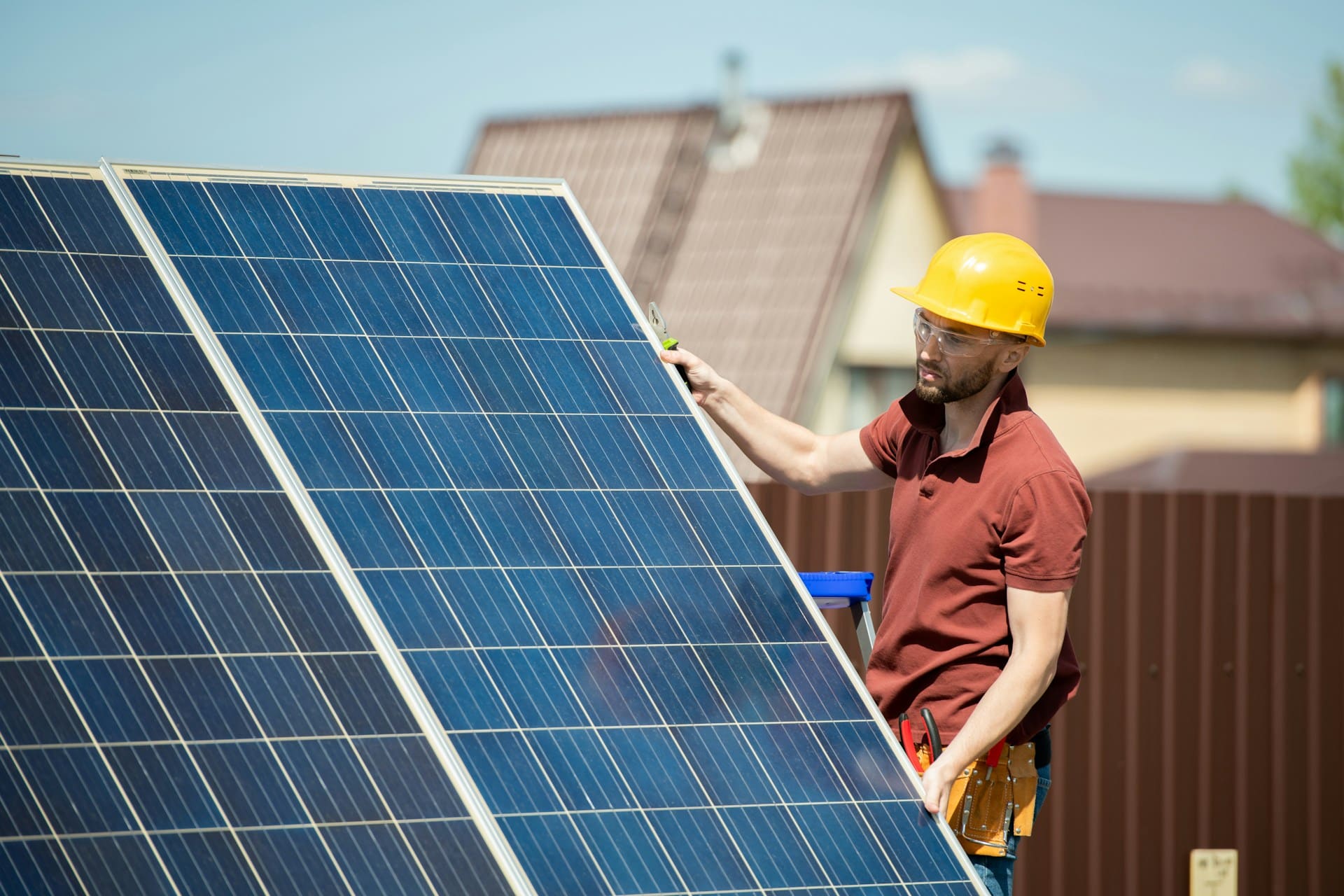
A 6.6 kW solar system in Adelaide usually needs 16 to 18 panels, depending on power rating. This requires a fair bit of space. Even small angles, chimneys, vents, or partial shade can eat into that available area, making layout a real design task. Sometimes, a smaller system well-placed outperforms a bigger one squeezed into awkward corners or split across too many roof sections.
Roof direction affects everything. North-facing panels are best in Adelaide, while south-facing arrays often struggle with limited light. The right mounting systems should fit your roof material and face South Australia’s summer wind and hail—not just a calm day. Energy Buster installs mounting gear designed for both tin and tile, tested for Adelaide’s changing weather.
Before you choose your size, double check the real estate on your roof. It is better to set up a system that fits your structure than push for bigger numbers that cannot deliver in practice.
When a 6.6 kW Solar System Makes Sense
This setup is a great fit if you are a family with high daytime energy needs—kids at home, pool pumps, AC, and dishwashers running in the afternoon. Small business owners with all-day opening hours see the same benefits, from steady lighting and machines to display fridges. Electric vehicle owners can charge through the day, cutting petrol costs and boosting self-use at home.
Paired with batteries, a 6.6 kW solar system in Adelaide gives even more flexibility, letting you capture extra energy during spring and summer and smooth it out for late night or early morning use. For homes with smart energy habits, the system helps make real inroads against rising power prices and grid stress.
Systems in this range also mean more exported energy in summer, adding bill credits or backup value when demand suddenly spikes. But the size only pays off when it is tailored to actual needs.
Why Not Everyone Needs This Size
There are times when a 6.6 kW system is too much. Low-use homes—retirees, singles, or people who are away most days—might never come close to using that much power. Holiday homes or places with deep roof shading, odd structures, or limited sun will get more value from a smaller, tightly planned setup.
Businesses that use much more power—or want to prepare for multiple EVs or major expansions—may need to look bigger and design a system for real commercial use, not just the household model. Custom plans suit these sites better than any set-size package.
A slower growth plan also works for some. Start with a smaller system and upgrade as your needs change, especially if you expect home renovations or changing work routines. The best result comes from matching size to load, not just following what’s popular that year.
Making the Most of Solar Starts with the Right Fit
Getting it right with solar is about designing for your real life and your roof—not chasing the biggest or most common option. For plenty of Adelaide homes and small businesses, a 6.6 kW solar system in Adelaide will match their goals well heading into summer.
But smart solar plans are never one-size-fits-all. Before you commit, review your habits, your roof, and where your energy use could change down the track. With the right setup, you’ll get cleaner, more reliable results through heat, storms, and shifting bills for years to come.
A good solar setup starts with the right system size for your home or business, not just the biggest one on offer. Plenty of Adelaide locals find that a 6.6 kW solar system in Adelaide fits the bill, but what matters most is how your place uses power throughout the day. Things like roof shape, panel quality and when you’re home all help shape the best outcome. At Energy Buster, we take the time to go over all of that with you so nothing gets rushed or guessed. If you’re ready to chat about what might be a good fit, just give us a call.