A 15kW solar power system might seem like the answer when electricity bills keep climbing. It is a large setup, and for some homes and small businesses in Adelaide, it can do a great job meeting big energy needs. But bigger is not always better. If your roof or power use does not suit it, you could run into issues like wasted energy or extra costs you did not expect.
Before jumping into a system that size, it helps to assess what your home or business actually needs each day. Here is when a 15kW system might be too much and what else you should consider before choosing something that large.
How Much Power Do You Really Use?
How you use power matters more than the size of the system you put in. If your household or business only uses heavy power in short bursts—like morning dishwasher cycles and afternoon air conditioning—you might not need such a large system. What really counts is whether your system covers the times you actually use energy, not just how big it looks on paper.
A café running long shifts with fridges and gear switched on all day can make use of a 15kW system. But a home that is empty most days, with people at work or school, probably will not see the same value. The same goes if most of your energy use happens at night, when there is no sun to capture.
Think about seasonal patterns. If your big bills hit only in summer or winter but stay low the rest of the year, a smaller but smarter system could match better. Always let your true usage and power habits drive the design—not just a goal to go big.
How Roof Size and Shape Affects Your Options
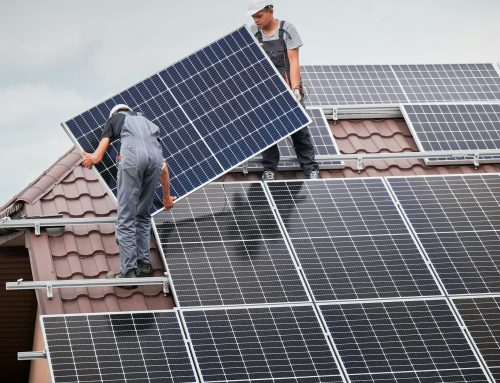
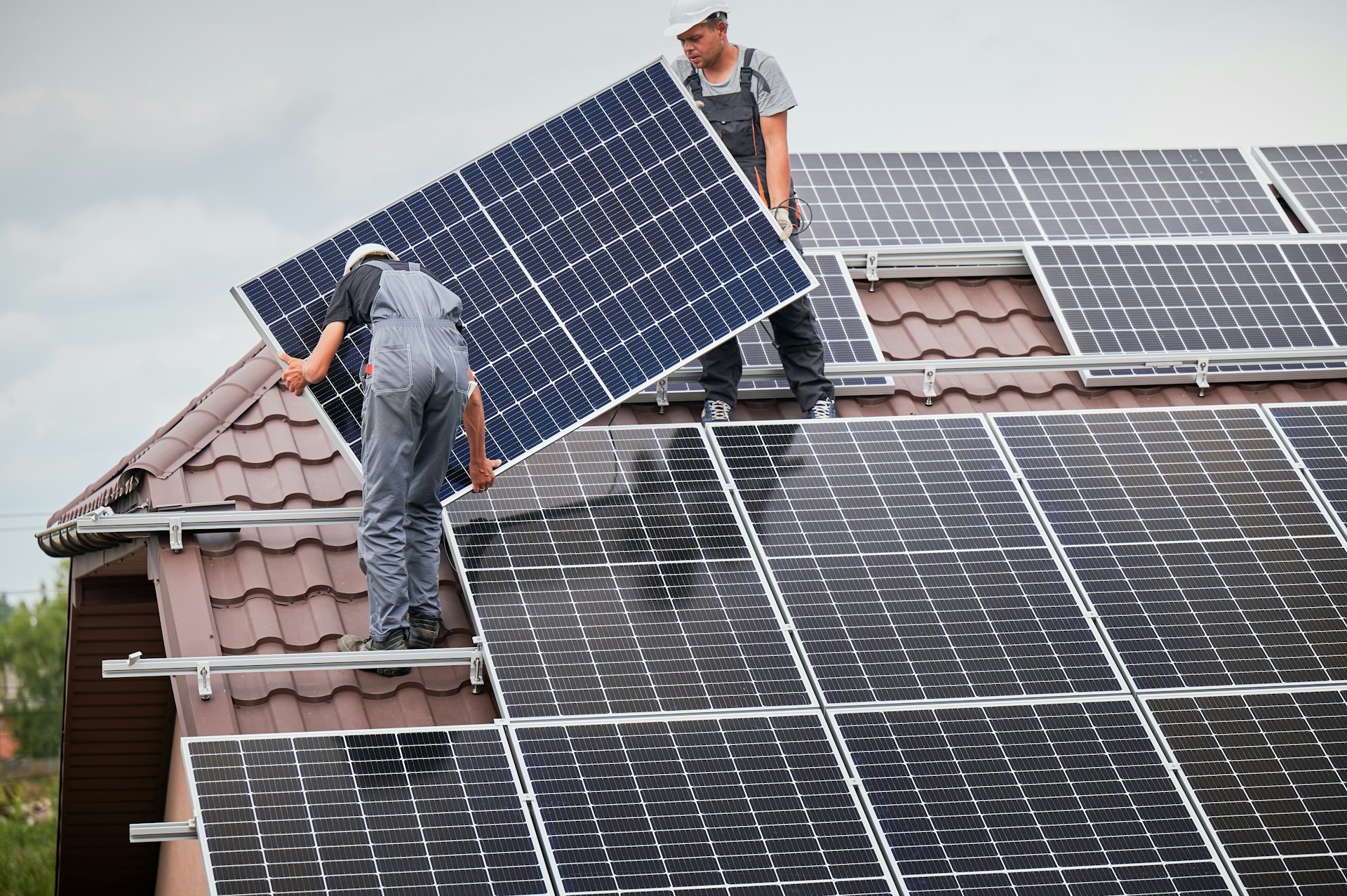
Not every roof is up to the job. A 15kW solar power system usually needs between 35 and 40 panels, so you need lots of open roof space with strong sun from morning to evening. In Adelaide, many homes and shops have low-pitch or smaller roofs, making it tough to fit a system this size.
Shading is another limitation. If trees, buildings, or walls cast shadows during the day, output drops quickly. With flatter roofs, those shadows last longer, especially in winter. Also, remember that big systems are heavy. Older houses or business rooftops might need extra checks or upgrades to handle the extra weight and load.
The right design for your roof is key, not just for fitting the panels but to avoid leaks, structural issues, and low performance over time.
When Oversizing Becomes a Problem
Yes, there is such a thing as too much solar. If your 15kW setup makes more power than you need, the leftover gets exported to the grid. These days, you might only get a small return from your retailer, and in some cases, you get very little for large exports.
Without battery storage to catch the extra solar, that overproduction does not save you any more money. An oversized system can also put strain on inverters if those are not matched properly, leading to faults or shorter system life. Chasing size without balance means missing real savings and creating extra problems.
A smart setup is always about matching system parts and sizing to what you actually use and need.
Smart Batteries, Smarter Choices
Batteries can let a bigger system shine by storing extra energy for later use. That helps you keep more solar in your home or business rather than sending excess to the grid. Still, not every big solar system needs a battery, and sometimes, the cost of a battery adds up more than the savings.
If your evening or early morning energy use is high, or you have constant demand, batteries help. But for those who head out after work, or run businesses that shut by sunset, storage may not be worth it. Batteries work best when charging, storing, and using energy matches up with your habits—not just to look good on paper.
It is all about pairing batteries to real-world usage, not just chasing a bigger setup for the sake of it. The Energy Buster team helps design battery storage that actually fits your pattern, avoiding expensive mistakes.
Do You Actually Need 15kW? Or Something Better Fitted?
Smart system sizing beats bigger systems every time. A 15kW solar power system makes sense if your roof, day-to-day energy use, and patterns support it. In Adelaide, tough weather matters too—hot summers, hail, and wind exposure challenge all systems.
That is why panels need to be independently certified for hail, heat, and local conditions. Panels installed by Energy Buster are selected based on local weather tests and hail durability. The supply chain counts as well. Clean, tested, and responsibly sourced panels last longer and add confidence that the system will stand up to both the climate and time.
Combine this planning and quality and you will get more from a well-fitted system than you would from an oversized one that does not match your home or business.
The Best System Is One That Fits You
Every home and building in Adelaide has a different energy story. The best solar system is the one that meets your power needs, fits safely on your roof, and runs as you expect all year round. A smaller system that is matched right will almost always outlast and outperform one crammed onto a roof just for numbers.
With good planning and careful design, you get the long-term benefits without the stress or wasted value. Size is only one part of the decision. Smarter solar is about getting what really works for you, today and for years ahead.
Not sure if a system this size suits your home or small business? It helps to look at how your roof handles sun and when you use the most energy. Getting that mix right—roof space, habits, and Adelaide weather—means better performance without waste. A smart setup does more than just work well on paper. We’ve shared more details on our 15kW solar power system planning page to guide your next step. If you’d like a hand figuring out what fits, Energy Buster is ready to help.