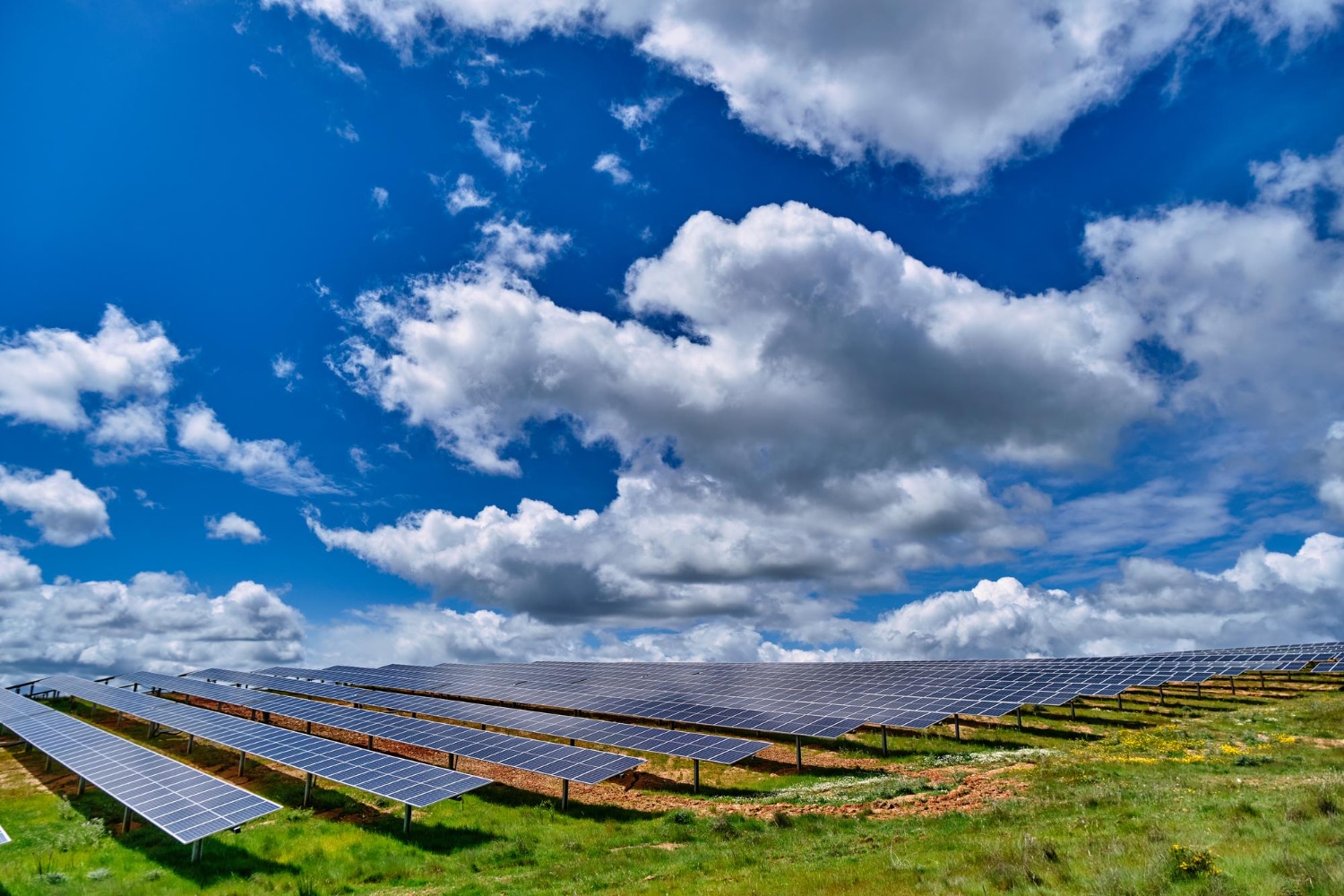
Storing solar energy has become a smart next step for more homes and local businesses across Adelaide. With extra sunlight in spring and summer, there is a golden window where your panels often capture more energy than you need in the moment. A battery lets you hold on to that power and use it later when the sun’s gone and the lights are still on.
Before jumping into solar storage, it helps to know what batteries really do, how they fit with your setup, and how to decide if they are the right choice. Whether you are planning a new system or thinking about adding to the one you have, a well-informed start makes everything work better down the line.
Start With Your Energy Habits
The first place to look is how and when you use power. Do your bills spike in the evenings? Is the air conditioner on during heatwaves? Are weekends busier than weekdays? Knowing when energy use is highest helps you figure out if you will actually benefit from storage or if a smaller setup could be enough.
Some people are mostly home at night when solar panels stop producing. Others run air conditioners, washing machines, or business gear all through daylight hours. If regular use happens after the sun goes down, a battery might make good sense.
It is also worth thinking about why you want storage. Is it for security during blackouts? More savings? Less stress from energy bills? Your goal shapes the setup. A family looking to ease winter bills has different needs from a café running fridges and lights long into the evening. Start with what fits your life rather than just chasing bigger size.
What a Battery Actually Does
At its core, a solar battery stores any power your panels make that does not get used right away. That stored energy then gets used once the sun is gone or when clouds roll in.
Imagine your panels making more than you can use at midday. Instead of that energy spilling back to the grid, a battery keeps it on hand. Later in the evening, when the kettle is on and lights are all running, your home taps into the stored solar instead of drawing from the grid.
In some setups, a battery can back you up during an outage so you are not left waiting in the dark. Whether that is just enough to keep the fridge on or to run the whole home depends on how it is built. Not every battery offers this feature, so knowing what you are after early helps avoid surprises later.
Getting the Right Gear and Fit
Not all batteries work for all homes or setups. Bigger is not always better. A battery that is too large for your actual energy use may just sit half full most of the time, which does not truly help.
A better choice is a battery that fits your daily use and matches your panels well. That also means choosing solar panels that perform properly when working with storage—some cheaper options do not hold up in real-world use or struggle when wired the wrong way.
Build quality, testing, and product origin matter just as much as size. Toxic-free, ethically sourced panels and batteries should be standard—not just for the environment, but for future reliability. Energy Buster uses only certified, lead-free, ethically sourced panels and battery brands, providing options that meet both the climate and sourcing standards for Adelaide.
Common Roof and Setup Traps to Avoid
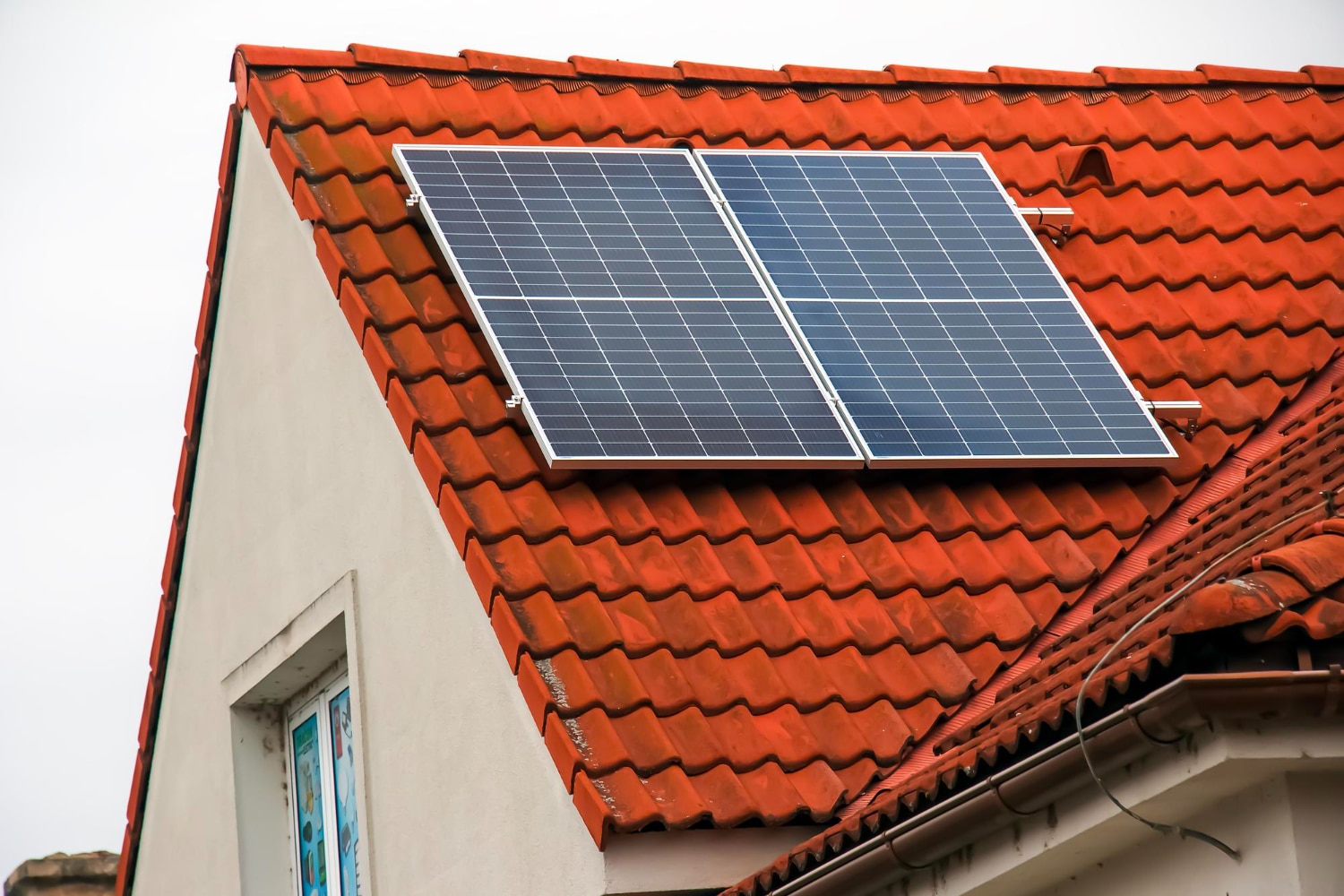
Your roof matters more than you might think when setting up battery storage. If it is low or flat, panels may not get enough sun through the day to charge the battery well. If it is shaded by trees or nearby buildings, output can drop more than expected, especially in winter.
Space matters too. A small roof might struggle to fit the number of panels you need for a system that works with a large battery. If people go as big as they can, the layout can be squashed or awkward. That leads to poor performance or coverage gaps.
It can be tempting to chase savings with cheaper panels or gear, but cutting corners at the start often weakens the system later. Good design helps your system work smarter, even if it means choosing a smaller battery or spacing out panels more carefully.
What to Expect in Adelaide Conditions
Adelaide gets strong summers with plenty of sun, which is great for charging between late October and March. But those same months bring heatwaves, wind, and harsh storms. Your solar gear must be ready.
Extreme weather, especially hailstorms, can test cheap panels. Only install panels that have independent lab test results showing they can stand up to local conditions—heat resistance, hail impact, and robust warranties are non-negotiable in Adelaide.
Seasonal shifts between hot days and cool nights can wear lower-quality panels down over time. The same goes for battery brands without proven test records. Always stick with components rated and reviewed for local use—products chosen for South Australian conditions are less likely to fail as seasons change.
A Smarter Start Leads to Better Results
Getting strong results from storing solar energy starts by knowing your energy use, your home, and your weather. If storage fits those needs, it can cut bills, give peace of mind, and make use of the power you are already generating.
A one-size-fits-all solution will not work the same for every household or shop. With planning and the right choices, storage shifts from a fancy add-on to an everyday asset. When the system, space, and habits all line up, you will have solar you can count on daily—whatever Adelaide’s weather brings.
Making better use of the power your panels are already producing starts with smart storage. Adelaide’s sunshine sticks around, and the right battery setup helps stretch that energy well into the evening. At Energy Buster, we work with tough, proven batteries built for local conditions. To see how storing solar energy can support your home or business now and down the track, we’re always here to help you plan it right.