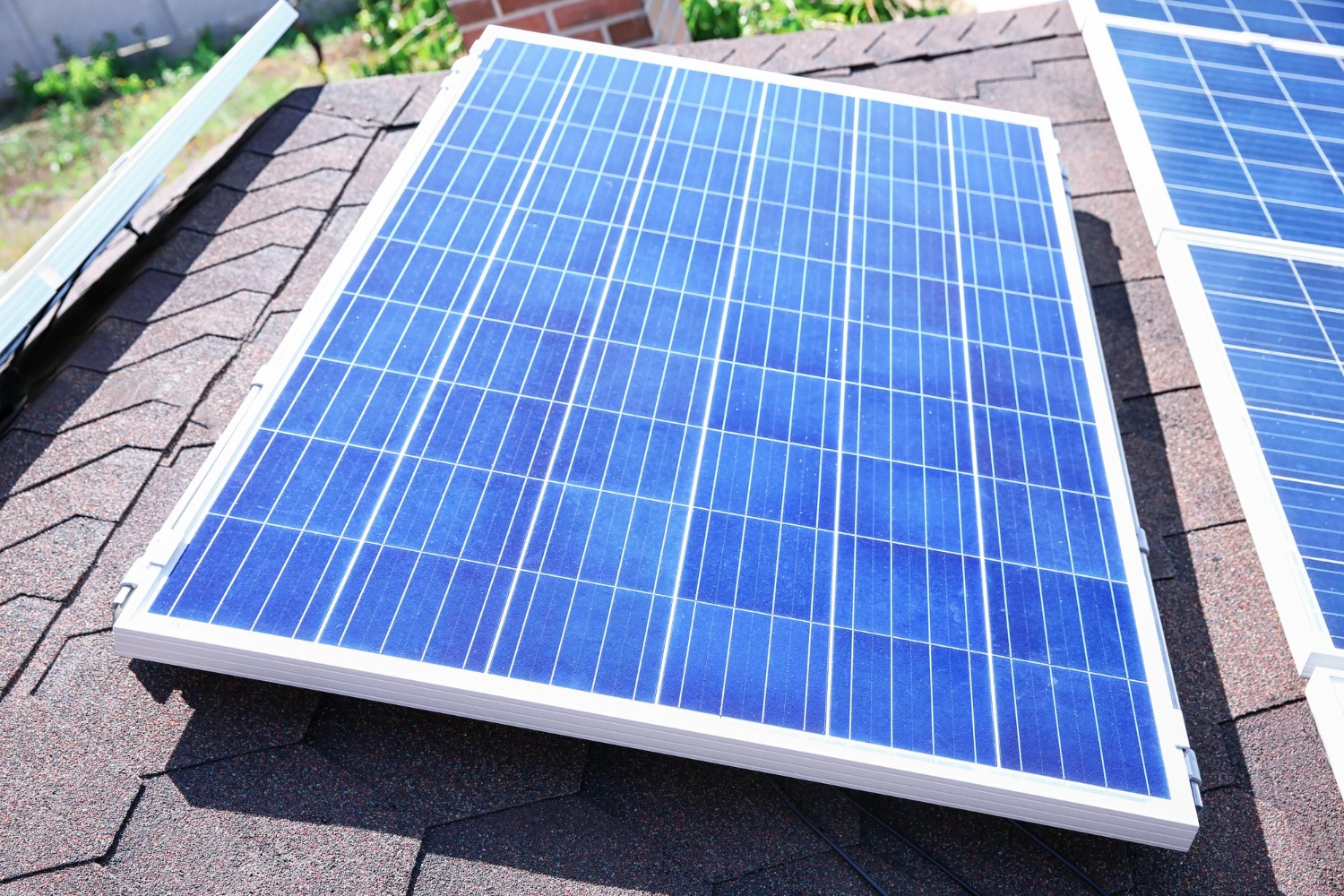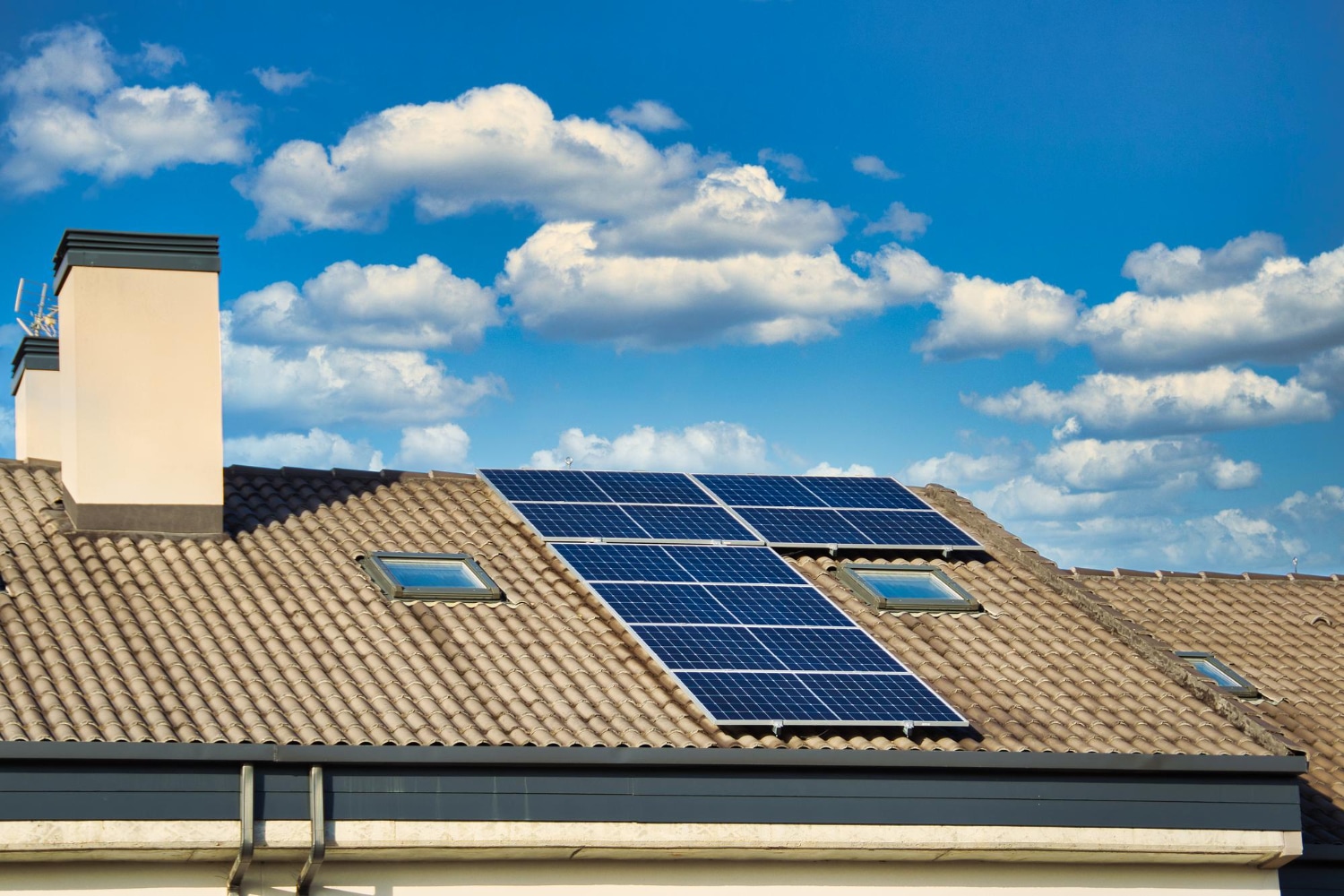
Adelaide’s sunshine is a big drawcard for anyone thinking about solar, but there’s one factor that often gets missed early on—roof pitch. Many homes in the region, especially older or suburban builds, have lower-pitched roofs. They look neat and stretch out nicely for panels, but the angle is not always ideal for catching the strongest sun hours.
That does not mean solar panels do not make sense on low-pitch roofs. They absolutely do. But it is not always as simple as mounting a few panels and calling it done. Without the right setup, your system might underperform, especially during spring and summer when longer daylight should be working harder for you. That is why proper planning makes all the difference. Choosing the right panels and layout from the start can help you make the most of the sunshine Adelaide offers year-round.
Why Roof Angle Matters More Than You Think
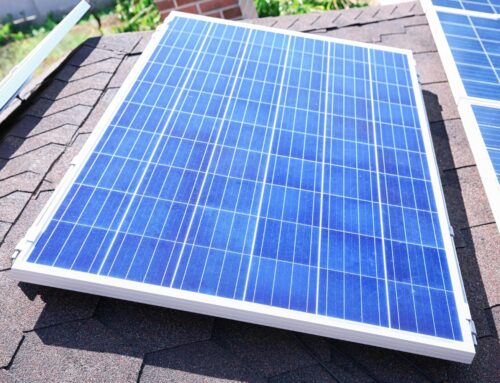
The slope of your roof changes how much sunlight hits the panels throughout the day. When the angle is too flat, early morning and late afternoon sunlight might bounce off at the wrong direction and not go into the system. That reduces how much energy your solar can actually turn into usable power.
In Adelaide, spring is when the days start getting longer and the sunlight angle shifts across the sky. A roof that does not line up well with that light can miss out unless the panels are chosen carefully. On roofs with lower pitch, the sun is not hitting directly most of the day, which means you need panels that are extra responsive, not just standard models.
If the gear is not set up right, you might see patchy outputs across the week or season. It is frustrating when you have the sun on your side but your roof angle holds things back. The right match between roof and panel changes everything—it is the difference between a system that works and one that really works.
Picking Panels That Work With the Roof, Not Against It
Not all solar panels perform the same when the slope of the roof is not ideal. Some types need a more direct hit from the sun to function well, while others can still keep pace with longer-lasting light across wide, flat surfaces.
Panels built with higher-grade silicon cells tend to handle those flatter angles better. They have been through specific testing to see how they perform when light comes in at different directions across the day. This matters more on low-pitch roofs, because those panels need to do more with less direct contact from the sun.
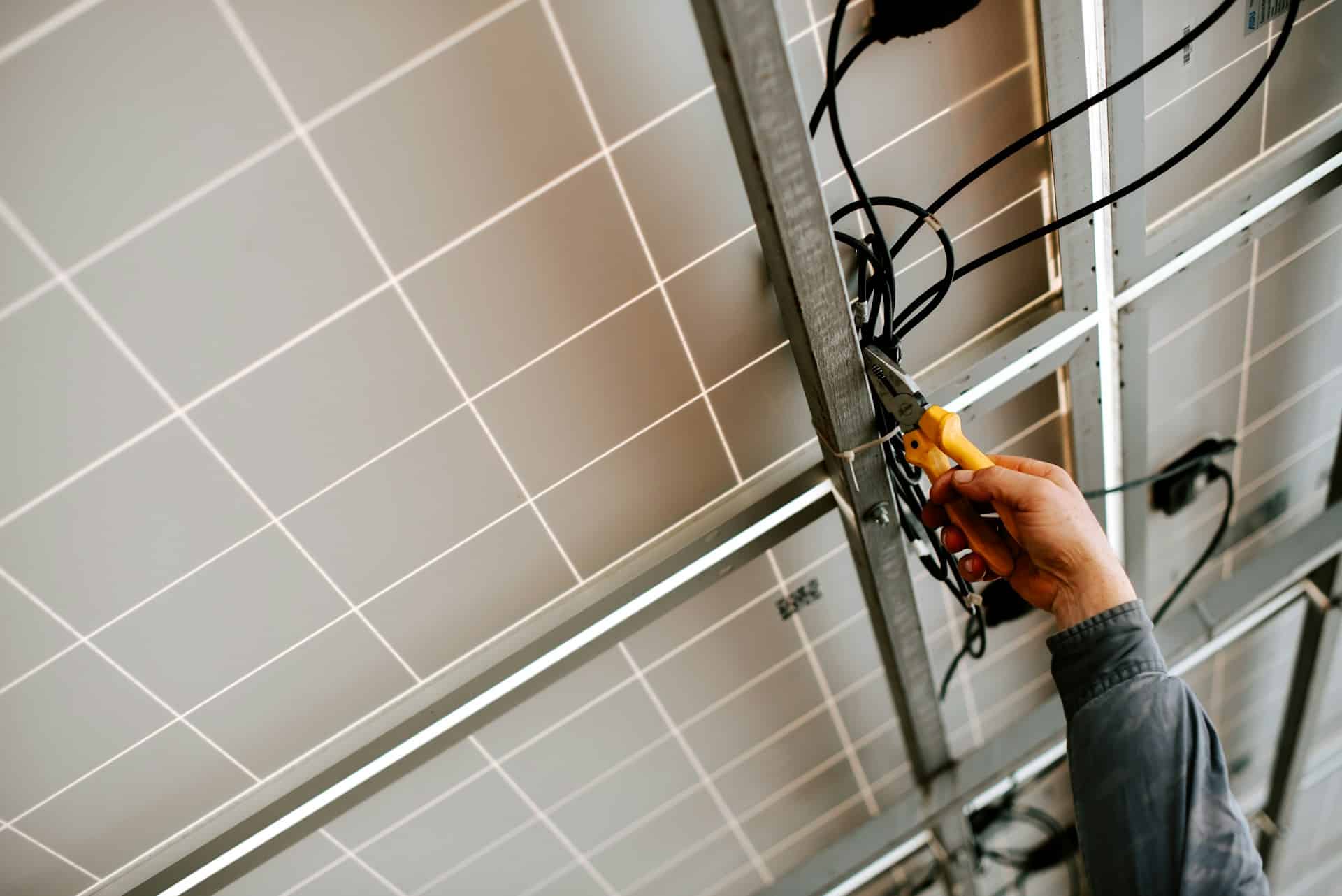
The layout also plays a role. Large-format panels might look like the better option for bigger surfaces, but sometimes they do not get good airflow, which affects heat levels and performance. It is not about squeezing in as many panels as possible. It is about using ones that suit the slope, that stay cool easily, and that can still collect well even if parts of the roof get some shade at certain times of day.
Independent testing can help show which brands and types handle this sort of setup best. Look for panels that hold up in real-world conditions, not just perfect lab tests. A low-pitch roof asks more from its panels, so it is smart to choose equipment that is up to the task.
Built to Handle Sun and Storms: Testing for Aussie Conditions
South Australia’s weather swings hard, especially from spring into summer. We go from crisp mornings to hot afternoons fast, and we have to expect the odd heavy downpour or hailstorm. That is not just a comfort concern—it is something your solar panels need to stand up to.
Certified panels are tested to take these things head-on. They have gone through checks for hail impact, extreme UV, humidity, and rapid heat changes. Not all panels get this treatment. But ones that do are far more reliable in places like Adelaide, where roofs can heat up fast by lunch and could cool down again if a storm rolls through in the afternoon.
Low-pitch roofs tend to trap more heat under the panels because they sit closer to the surface. Over time, that can cause wear and lead to energy loss. Choosing panels that handle heat well helps reduce that risk. The best setups use gear that keeps working through heat spikes and does not shift or crack after a few years in our harsh sun.
It is not just about today’s weather. It is about what happens after a few summers and storms. If you are going to rely on your solar system for years ahead, it has to be strong enough to last.
Rooftop Solar Without the Toxins or Shortcuts
The type of panels you choose affects more than just performance—it affects what is in your backyard and even what kind of impact your decision has further down the line. Some solar panels are made with toxic substances like lead or fluorides that stick around long after the panels are done. Others might come from supply chains that do not treat workers fairly.
That is why it helps to go with panels that are clean on all levels. Brands that make toxic-free panels are becoming easier to find, and many of them have shown they can match or even outperform the usual options. It is not just about feeling better—it is about safety for your family, your pets, even your garden under the eaves.
Some people care a lot about ethics in the things they buy. Others just want to know that their product is not tied to anything dodgy. Either way, clean solar panels come with peace of mind. When quality and ethics match up, it is one less thing to think about later.
Power That Fits the Roof and the Climate
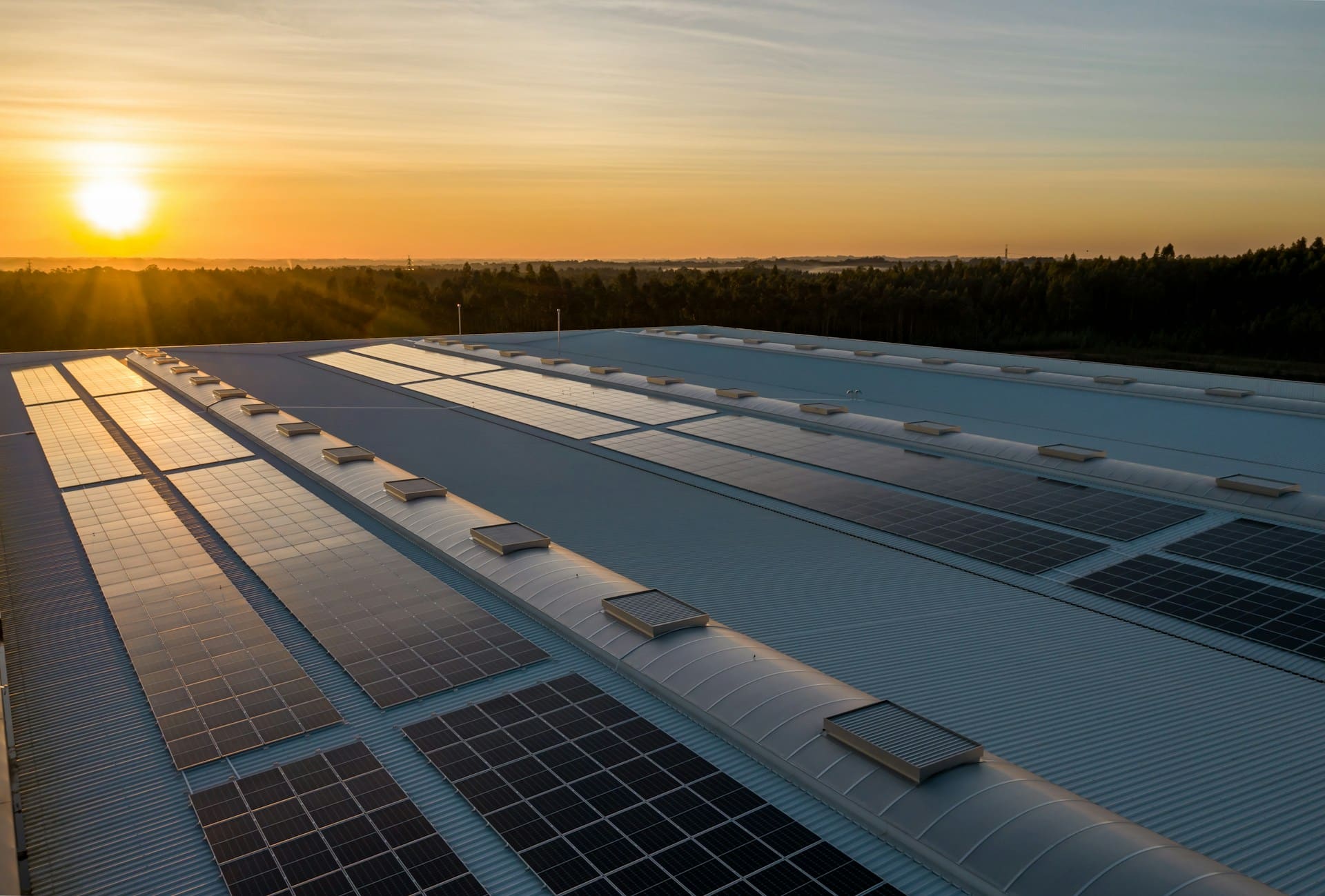
Low-pitch roofs are not a problem if the setup is done right. They just need a bit of extra thought and a bit more from the gear that goes on them. If the panels are not built for wide angles, or the layout skips early or late-day light, you could end up with less energy than you are expecting—especially once summer comes around.
Adelaide’s clear skies bring plenty of potential. But we have seen that not every panel or system makes the most of it. With the right panels, picked for our heat, hail and sun path, even a gentle-sloped roof can deliver steady energy output. That means fewer bumps over time and better savings on power bills for years ahead.
It is worth doing it right the first time. A proper match between your roof shape and panel strength helps you get more out of every season.
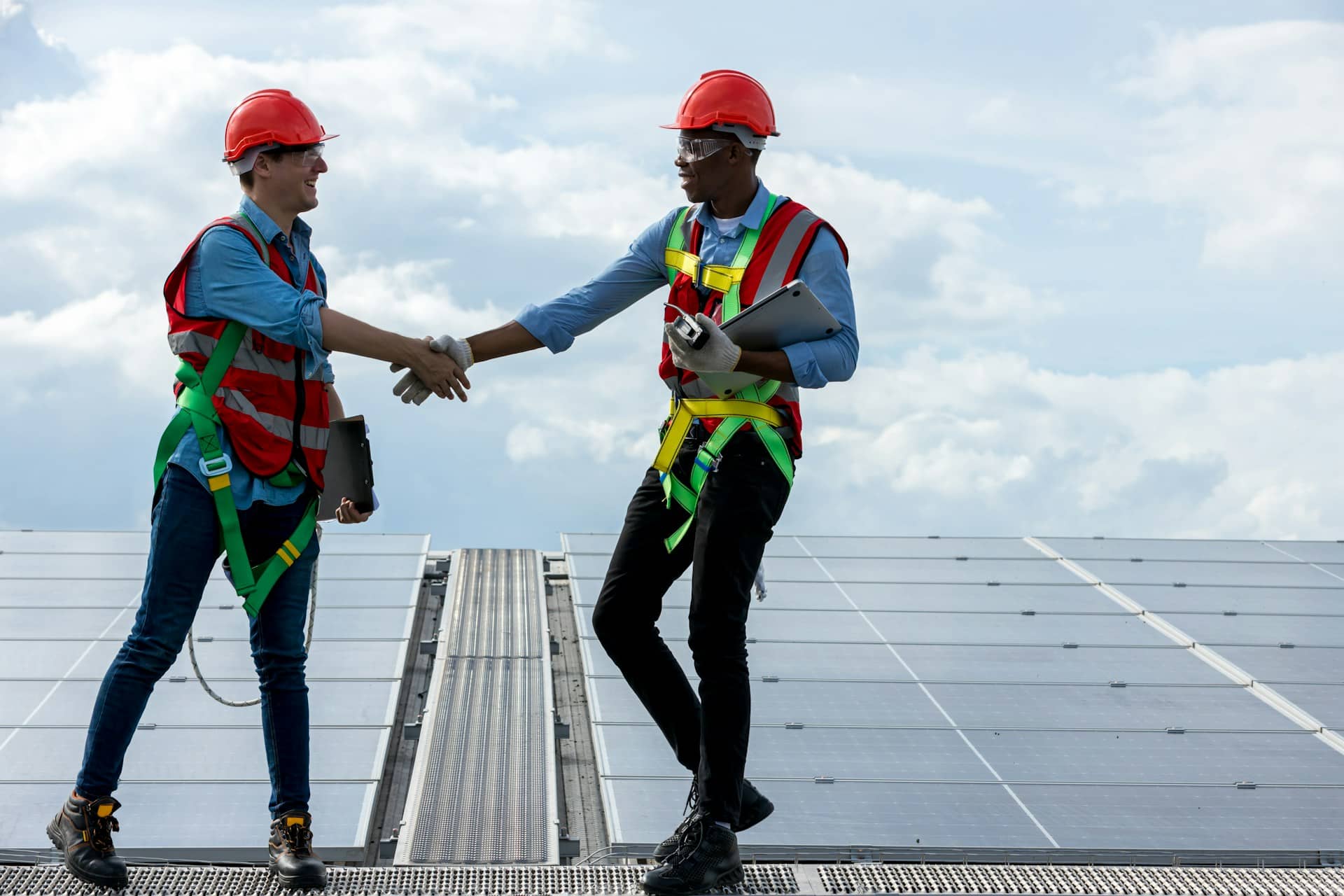
Ready to elevate your energy savings with Adelaide’s abundant sunshine? Choosing the right setup for your solar panel installation in Adelaide ensures optimal performance, especially for homes with low-pitch roofs. At Energy Buster, we specialize in tailoring solutions that match your roof’s unique needs while maximizing energy output. Discover how our carefully selected panels and expert layouts can harness more power for your home and help you save on energy bills. Let’s transform your roof into a high-performing solar powerhouse.