A 20kW solar system is a solid option for small to medium-sized businesses across Adelaide, especially once we hit the warmer months and air conditioning starts doing the heavy lifting. When energy use peaks, so can bills, and that is where solar can help. A properly sized rooftop system lowers your draw from the grid and gives you more control over what you use and when.
In this article, we will walk through what a 20kW solar setup can actually power, how much space it needs, what type of panels stand up best in South Australia’s weather, and why it is worth looking beyond just the price tag. Good gear, smart design, and real-world performance all work together to make sure your energy setup runs how it should.
What a 20kW Solar System Can Power
A 20kW system can usually generate between 75 and 90 kilowatt-hours across a sunny Adelaide day, depending on the season and site. That is enough power to make a real dent in daytime loads for businesses like cafés, offices, retail shops, or light industrial units. If most of your energy demand happens between morning and late afternoon, this kind of system can carry a good chunk of your load.
That is part of the reason why rooftop solar suits commercial sites so well. Equipment like fridges, dishwashers, computers, or air conditioning systems often need constant power throughout the day, which matches nicely with solar generation. When the sun is out and your gear is running, a rooftop system can quietly take pressure off your main supply and buffer you from rising daytime rates.
How Much Roof Space Do You Need?
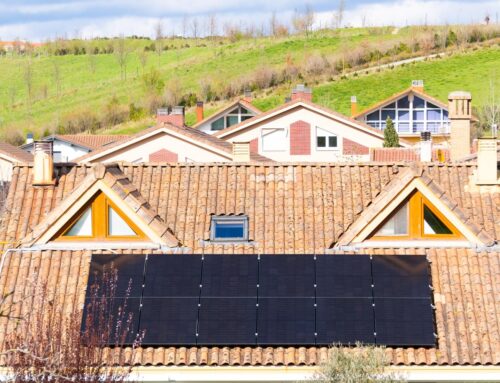
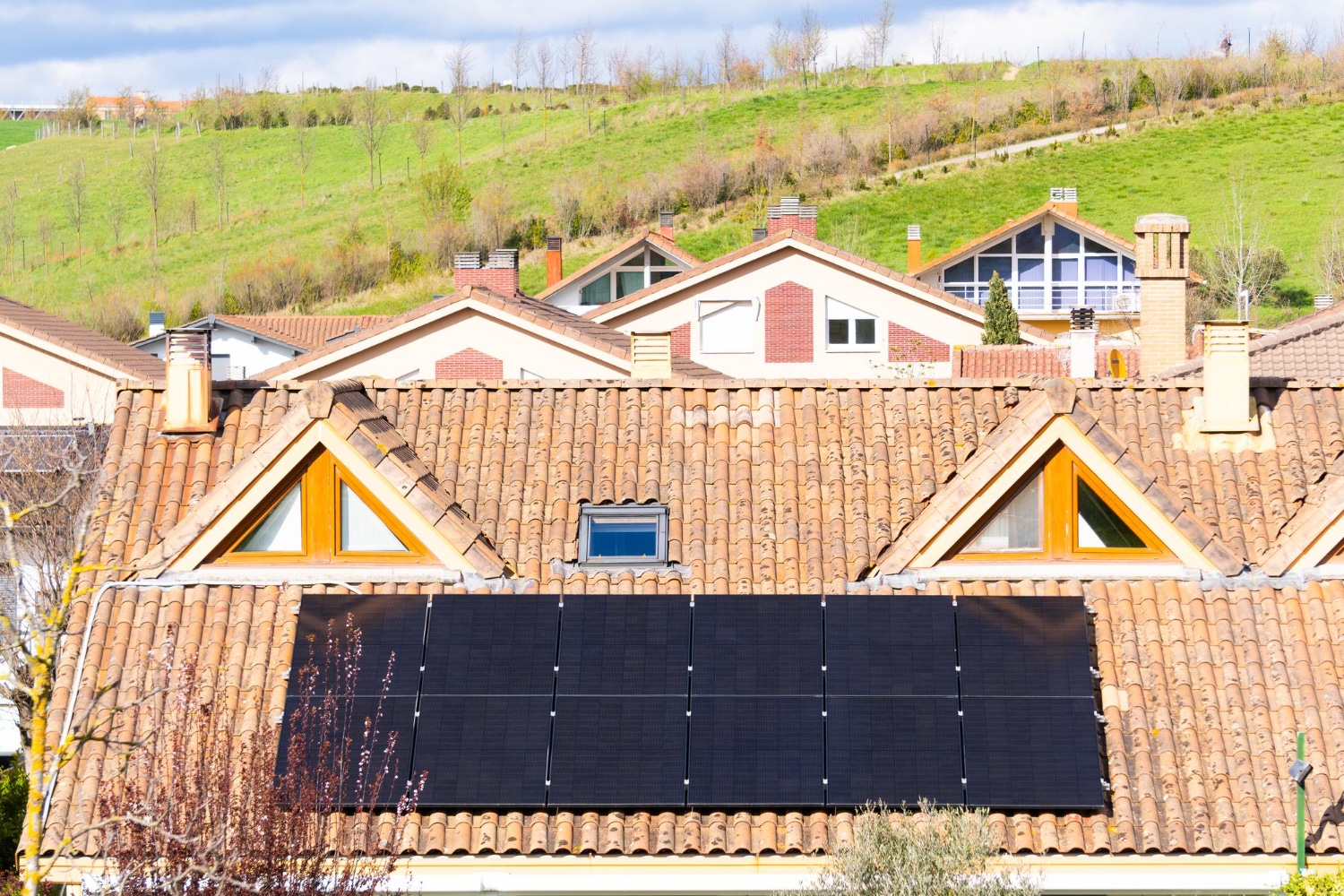
As a rough guide, a 20kW solar system will take up around 80 to 100 square metres of roof space if you are using high-efficiency panels. But it is not just about fitting them in. Roof pitch, direction, and available shade all play a part in how well your system works.
Flatter roofs or those facing west or east can still work well if paired with the right panel type, but it makes placement more particular. If there is shading during key parts of the day or if the roof has odd shapes or obstructions, it can cut down how much sunlight the system gets and affect overall output.
That is why sizing and layout need a bit of thought. Good planning takes into account nearby trees, vents, skylights, and other features that could get in the way. The more accurate the install, the better your daily energy return.
Why Equipment Choice and Testing Matter
Not all solar panels are made the same, and in South Australia’s climate, equipment that is tested well makes a difference. A panel that performs fine in mild conditions might not last long under strong UV, summer heat, or hail.
That is where tough testing protocols come in. Panels that have been through proper hail impact tests, temperature cycling, and heat loading checks tend to last longer and perform more consistently. At Energy Buster, we only use panels with independent testing for hail resistance, thermal reliability, and South Australian weather.
It is worth paying attention to where panels come from too. Ethical sourcing of materials and proper labour practices mean the supply chain behind your solar setup is just as clean as the panels on your roof. Some panel makers provide traceability links so you know what you are putting on your business and that it is free from toxic materials.
Battery Pairing and Energy Goals
A 20kW solar system can work well on its own, but pairing it with the right battery gives you more control. This setup can help shave off peak-time grid usage, hold power overnight, or offer backup protection during blackouts.
If your business runs late or uses a lot of energy outside standard daylight hours, this is where storage shines. Proper battery setups support longer runtimes or shift excess solar into the evening. The key is matching your needs and usage to the right battery, not just adding one for the sake of it. Great panel and battery pairings run with fewer hiccups and more predictable results.
Not every panel brand will work cleanly with every battery, though. At Energy Buster, we focus on pairing brands that have been tested together for reliable performance in local commercial setups.
What Quality Means for Your Investment
When you are choosing solar, cutting corners often leads to trouble down the track. Low-cost hardware can show wear early—especially through Adelaide’s wild summer heat and hail. Cheap systems can also come up short on warranty support when you need it most.
A system built with solid materials, strong warranties, and transparent sourcing stays in service longer and protects your investment better. In a business, that kind of stable asset matters as much as the day-to-day savings. You want panels and components that keep working so you can get on with running your operation without worry.
Think of solar as an asset that works quietly in the background. When it is built right, it lowers stress and keeps your business moving as Adelaide’s seasons shift.
Smarter Solar Choices for Adelaide Businesses
Finding the right-fit system for your business is about more than checking a kilowatt rating. A 20kW solar system supports many Adelaide operations, but outcomes depend on planning, tested equipment, and a fit for your roof and energy use.
Good installation design, high-performing panels, ethical supply chains, and thoughtful battery setup all help keep things simple for the long haul. South Australia’s sunshine gives plenty of opportunity to cut costs and be more independent from the grid. With smart solar, tailored for your site and needs, your business can get power that works harder and pays off for years to come.
Thinking about what a well-built 20kW solar system could do for your Adelaide business starts with the panels themselves. Not all solar products hold up the same against heat, hail or years of exposure, so choosing ones that are lab-tested and ethically made is a smart move. At Energy Buster, we focus on systems built for real-world conditions that keep delivering steady performance over time. To see what makes a better setup, have a look at our 20kW solar system options and get in touch when you’re ready to make a start.