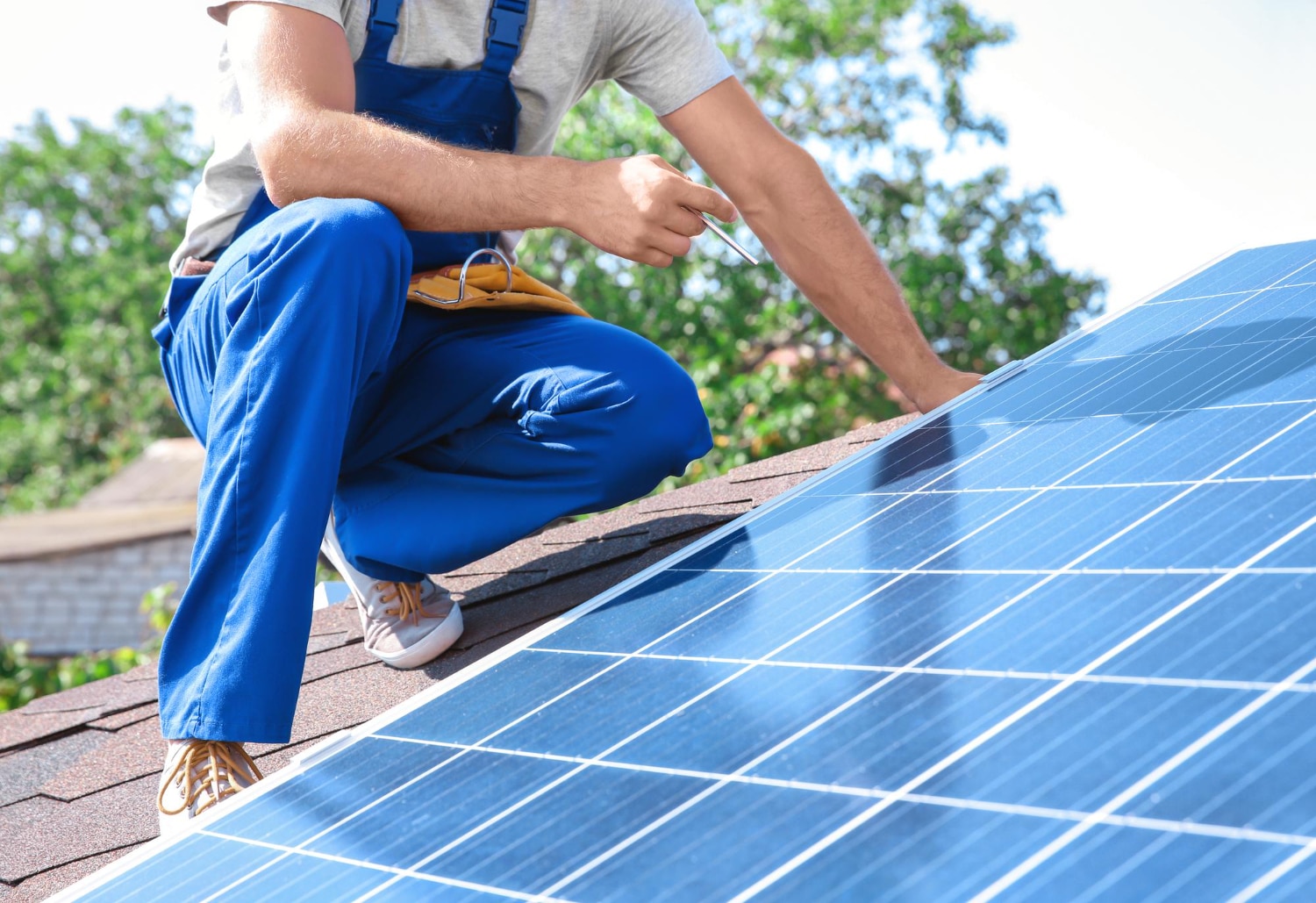
When planning a solar panel installation in Adelaide, most people look at sun exposure, capacity, or battery options. But there’s another piece that often gets missed—your roof angle. The slope of your roof does more than shape your house’s look. It plays a big role in how well your solar system performs.
With longer, sunnier days in spring, now is the time when many homeowners and small operators start thinking about solar. If your roof angle is not right, your panels might miss out on the best sun. And down the line, it could affect how long they last or how well they charge your battery. Here’s what that really means and what to look out for when choosing the right gear for Adelaide’s conditions.
Why Roof Angle Matters More Than You Think
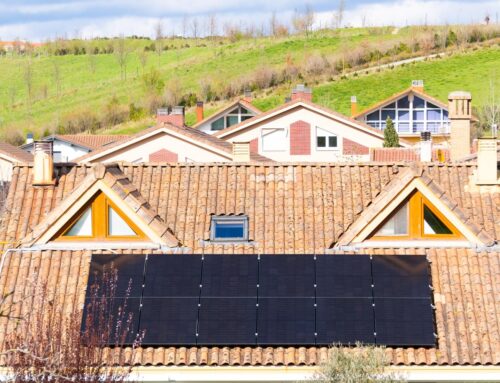
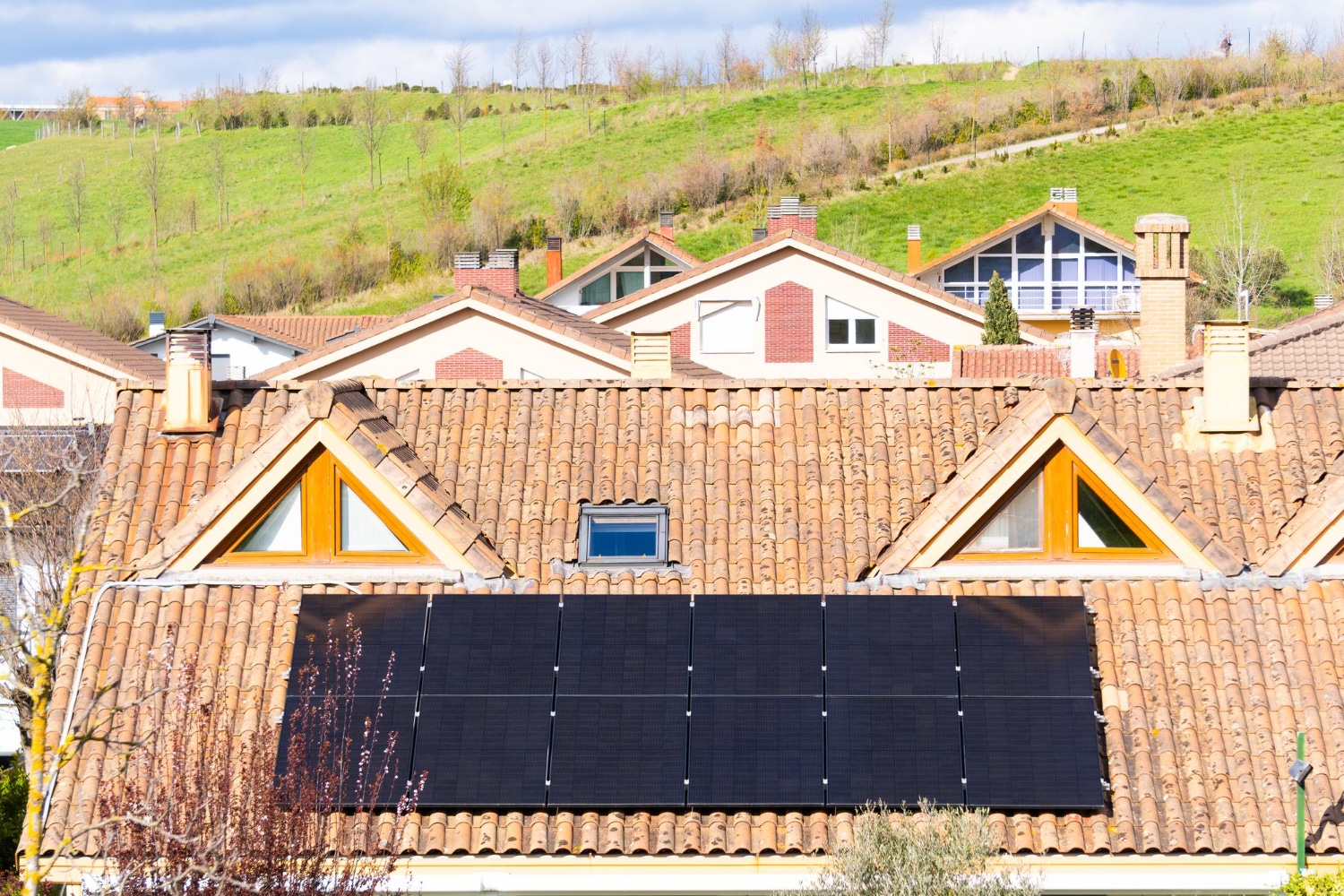
Each roof in Adelaide faces a different direction and has its own pitch. That pitch—the steepness—changes how much sunlight hits your panels during the day. Across the year, it affects how steady your system’s performance stays.
Roofs that are too shallow might hold your panels back from catching enough sun early in the morning or late in the day. A steep roof can reduce efficiency when the sun shifts at different times of year. Adelaide gets plenty of daylight during spring and summer, but if your panels do not catch it evenly, you might not see those savings on your bill.
Shading is another challenge for roofs at the wrong angle or facing away from the sun’s track. Shadows from nearby structures, trees, or even roof features can drop your output. Roof angle even shapes how many panels you can fit and which types will physically work best.
Getting the right pitch in the right direction keeps your system working across all seasons, not just spring. It means more from every clear sky day and keeps your panels working through hot, cloudy or winter weather too.
Low-Pitched Roofs: What to Watch For
Many Adelaide homes—especially new builds and commercial places—use low-pitched roofs. These are easy on the eye and often suit modern designs, but can make solar harder.
Low angles mean panels sit closer to the roof, trapping heat and reducing airflow. That can make panels hotter and cause a drop in electrical output if they are not tested for those conditions. Always check that panels chosen for low-slope setups have been proven in hot, real-world conditions.
Flat and shallow roofs often need panels that are more resistant to grime, since water does not drain as quickly on gentle slopes. While we do not touch cleaning here, it is important to know that some designs, coating materials, and cell types last longer when exposed to dust and slow rain run-off.
Another worry in Adelaide is hail. Low-angle panels face more risk of impact instead of deflecting hailstones. Look for products tested specifically for hail resistance—panels supplied by Energy Buster are all independently tested for local weather patterns, including the big stuff like summer or spring hail.
Matching Panels to Roof Shape and Strength
A panel that works great on a flat roof might struggle on a steep or split-slope design. The best panels are flexible across pitch ranges and have data to prove they perform well when the angle is not textbook perfect.
Older homes with lighter roof frames, like some in Adelaide’s inner suburbs, might need lightweight but high-output panels. Newer panels that are lighter but deliver strong performance help avoid structural worries and let you keep your installation straightforward.
Panel testing and proof is especially important when you need to install on an unusual pitch or split slope. Labs and approval programs test panels across all sorts of tilt ranges and under heavy heat loads.
Picking panels and install methods based on your actual roof shape and strength helps prevent issues now and down the track. When weight, wind, and weather all match together, you get a much stronger, safer system.
What Ethical Sourcing Has to Do With Roof Fit
Ethically sourced panels—meaning systems built without toxic materials or forced labour—usually bring extra tech, design, and reliability benefits. At Energy Buster, all panels are chosen for certified ethical supply chains, lead-free solder, and test reports for hail and heat.
Panels made with better materials and smarter design hold up better on awkward or demanding roof spaces, handling more stress from temperature and wind shifts. For Adelaide’s mix of sun and storms, strong cell connections, safer glass, and ethical practices in the supply chain mean more than just good marketing.
Having a panel that is proven safe over its life, with data to back it up, reduces worries about storms, heatwaves, or structural damage later on.
Smart Setup, Better Results
Every roof has its own challenges—shape, angle, and material. Getting your solar panel installation in Adelaide right from the start means you lock in better savings, longer lifespans, and less chance of system trouble when the weather acts up.
Choosing panels that are rated for your roof angle, tested for hail and heat, and certified for ethical supply chains is the best path to long-term solar success in Adelaide. The right fit makes your investment safer and keeps your system ready for whatever the next few seasons bring.
If you’re planning a solar upgrade, matching your roof angle and layout with the right gear can make a big difference in how well your system performs through seasonal shifts and wild weather. We’ve helped Adelaide homes and small businesses find better options by focusing on quality gear that actually fits their roofs. To see what makes a solid setup, have a look at our approach to Solar panel installation in Adelaide. When you’re ready to take the next step, get in touch with Energy Buster and let’s chat.