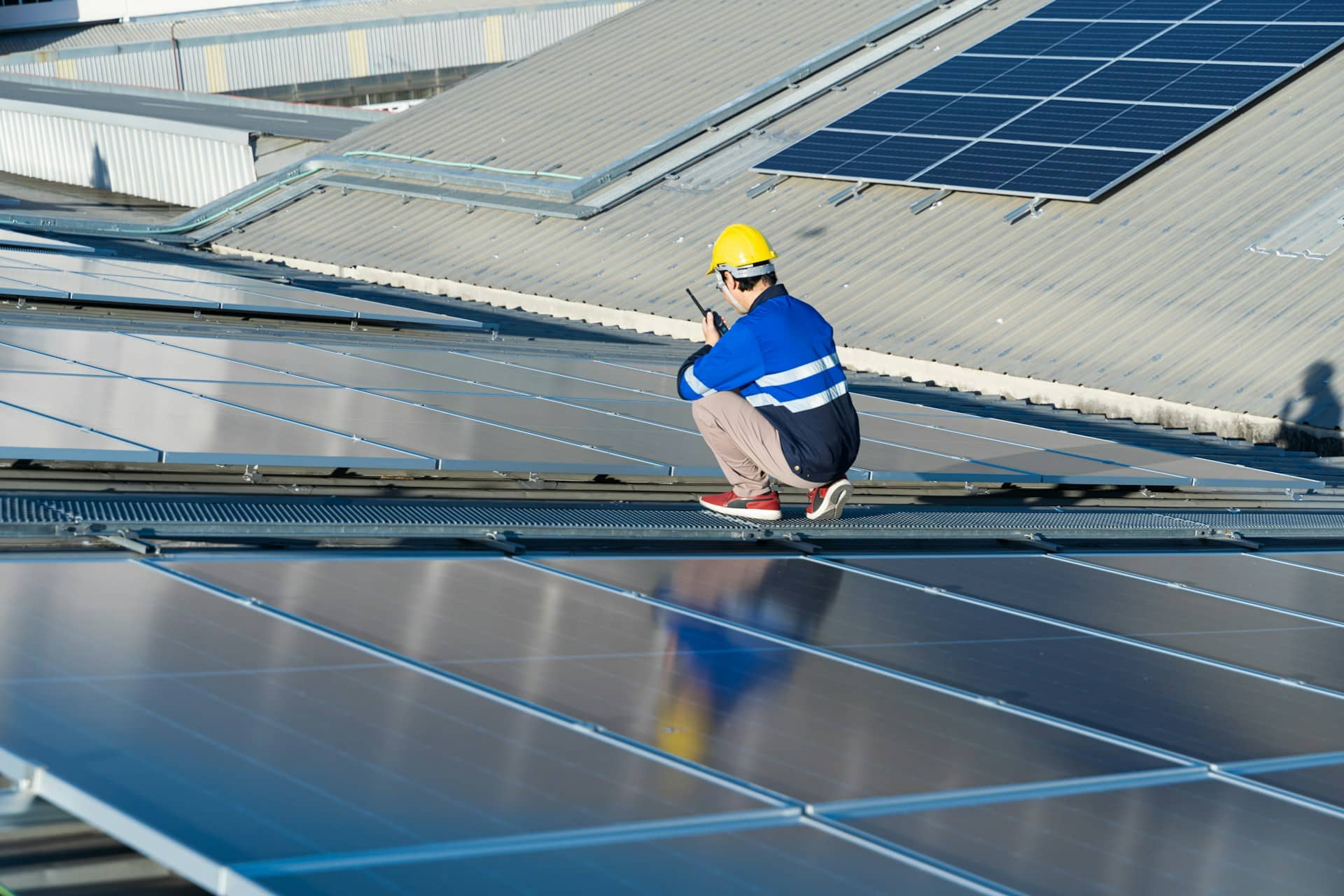
With spring days stretching out and the heat of summer not far off, more Adelaide businesses are starting to look up at their rooftops and ask if solar might be worth it. For many, it is a way to get a handle on rising power bills without giving up the energy they need to run things smoothly. Whether it is a café keeping fridges running or a warehouse with lights on all day, commercial solar in Adelaide is becoming part of everyday setups. It is not just about putting panels on the roof anymore. It is about choosing the right ones, making sure they last, and getting more control over when and how to use what is coming from the sun.
As the warmer months approach, it makes sense to get serious about what solar can offer small business owners—especially here, where sunny weather is a regular gift, but heat and storms can make weak systems fall short. From material quality to the way panels handle odd-shaped roofs, there is more than one way solar can serve a small business. This post shares a few of them and what to think through before making a plan.
Choosing Solar That Handles Adelaide’s Climate
Adelaide weather can be tough on rooftop gear. The sunlight is steady for most of the year, but when storms roll through or the temperature soars, cheaper panels can start to show cracks—sometimes literally. That is why the type of material your solar panels are made from really matters. Panels tested in real outdoor conditions, not just a lab, will often show whether they can stand up to heatwaves, cooler nights and the wild shifts between them.
For many commercial jobs, metal roofs or industrial cladding are common, and not every solar panel grips properly to those surfaces over time. Temperature swings can loosen mounts or bubble surface layers, especially on low-end products. That is why small things like thickness, backing layers and third-party test marks can be a big deal in the long run. Even more so when the panels are out in heavy rain and there is always the risk of hail. Some solar products come with lab certifications for hail testing, showing they have been hit with ice balls under controlled conditions and still kept working. That extra testing gives a better chance of lasting through South Australia’s spring storms without sudden damage.
Energy Buster only recommends and installs panels that are certified for hail resistance, temperature shifts, and the specific roof types found in South Australia’s commercial settings.
Solar for Tricky or Low-Pitch Roofs
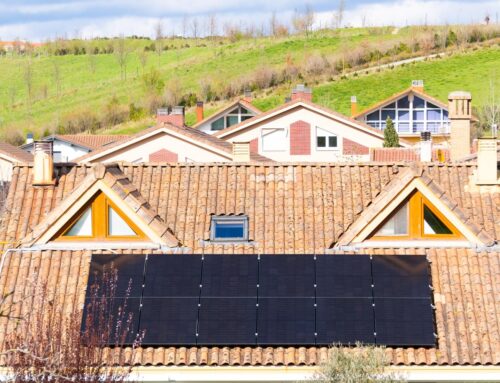
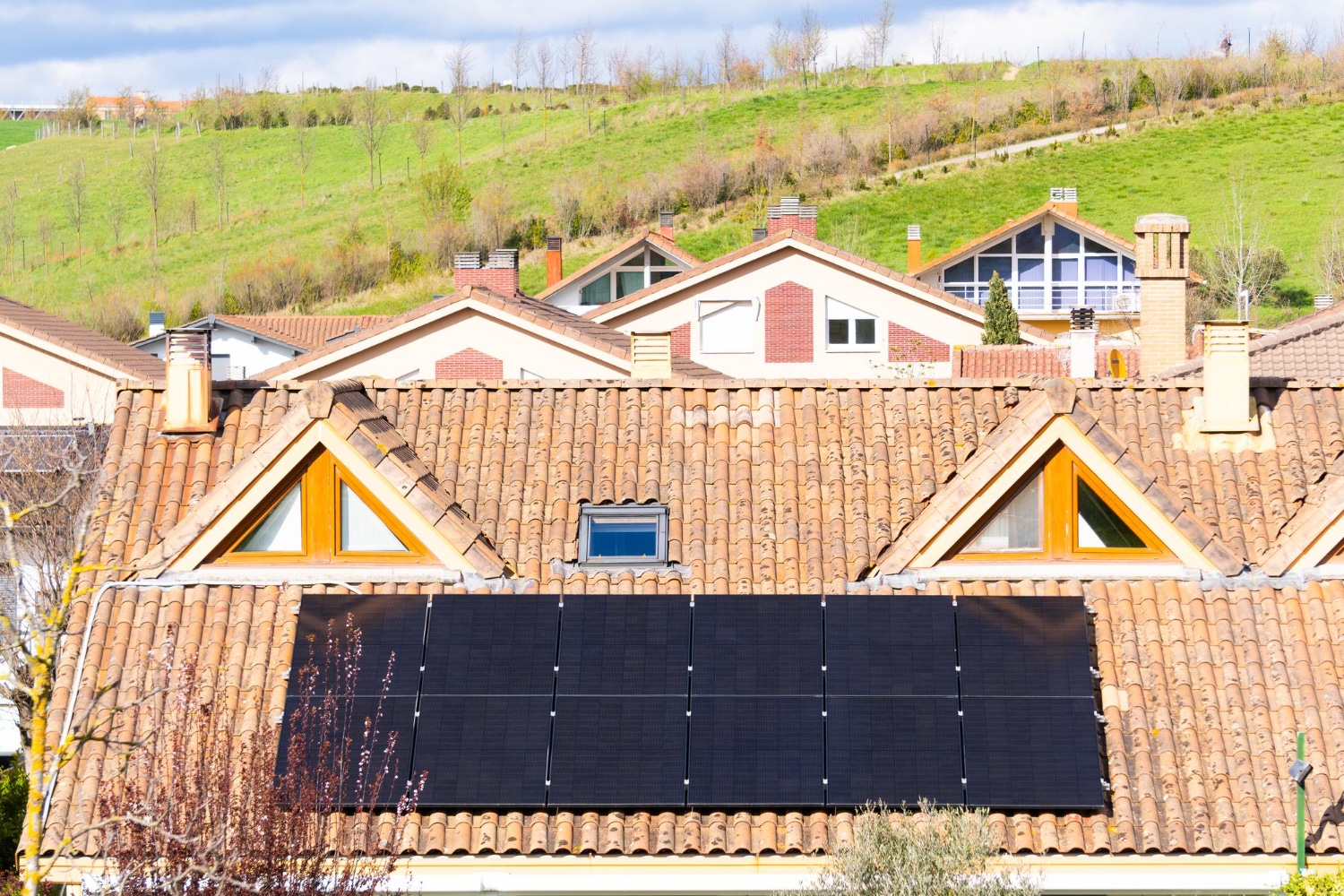
Lots of small businesses work out of older buildings, and that means tricky roof shapes are not rare. Whether it is an old shopfront with a shallow slope or a storage shed with odd angles, solar still needs solid sunlight to do any good. But fitting panels cleanly onto low-pitch or uneven surfaces takes a bit of care. It is not just about covering space—it is about where the sun actually hits throughout the day.
Some roofs do not get direct light all day or might have shading from other buildings or trees. If panels are placed too flat or off-angle, they miss their best chance to generate strong energy. Panel weight and thickness can also matter more on these roofs, especially if the building structure is not made to carry much extra load. This is where certain lightweight or thinner panels might seem like a good idea, but if they are made with low durability materials, they might not last long under constant sun.
Making choices on angle and placement is not always about squeezing in the most panels. It is often better to take a tight fit that works well all year, rather than a large one that only performs on paper.
Better Solar from Safer Supply Chains
Some small business owners are looking past performance numbers alone. The way solar panels are made has become just as important to them as what they can do on the roof. Ethically sourced panels mean the factories that make them follow cleaner processes and show respect for the people working in them. That includes avoiding forced labour and cutting down on materials that can harm the air or waterways when panels are built or thrown away.
For some of us, it is not enough to install gear that reduces carbon in use—it has to be built right too. Choosing panels with trusted labels, safety records, and transparent part sourcing helps make sure the product is reliable and responsible. That is where brands like SunPower show their value. Their steps toward cleaner production and safer teams help set a higher standard from many of the panels in the market, especially in bulk commercial shipments.
When we work with business owners who care about the bigger picture—whether for their brand image, values, or staff—it is something that easily becomes part of the decision-making process.
Batteries: Storing Power for Busy Hours
For lots of businesses, solar does not stop when the sun drops. More places are putting in storage batteries that hold onto excess energy during the day and use it through the evening or early next shift. This can be extra useful for hospitality, where fridges run overnight, or even office spaces that start before sunrise or go late into the evening.
The way power flows into the battery makes a big difference. It is not just plug and play. If solar panels throw out energy in bursts or cannot keep up during peak sun hours, the battery will not charge well enough to last into the night. That is why planning the right panel-to-inverter setup is important. The inverter helps manage how energy transfers between the roof and the storage bank, and some models just work better for flexible daily demand.
It is often not about having the biggest battery. It is about having one that works well with your setup and does not waste what you have already generated. Battery-ready systems supplied by Energy Buster always include advice on matching inverter and battery type to your true daily load.
Confidence in What You Install
Over the past few years, many business owners have moved past cheap gear and short plans. They know solar is meant to last, not to be swapped out every few years. Today’s options make it easier to get gear that matches their building and business hours without wondering if it will fall short.
The difference comes from asking a few solid questions early. Has this panel been tested in real conditions like those in Adelaide? Can it take rain and heat year after year without losing power? Are the parts sourced from clean suppliers or mixed in with lower-quality labour? These things do not just shape how well solar works—they shape how long it stays reliable.
By planning ahead in spring, there is more breathing room to get your install set up before summer hits full swing. That means more value from the clear skies and longer days ahead. For small businesses across Adelaide, that timing can make all the difference.
Warmer months like spring and early summer are a great time to start thinking about new solar. Roof shape, panel quality and daily energy habits all play a part in getting the most from your setup. Small businesses across Adelaide are already seeing solid long-term returns by asking the right questions upfront. If you’re ready to explore your own options for commercial solar in Adelaide, we’re here to help. Get in touch with Energy Buster today.