Commercial solar is becoming a smart move for many businesses in Adelaide. It’s not just about cutting costs or reducing power bills anymore. More companies are looking at solar as a long-term investment that brings flexibility, independence, and environmental value. But before making the leap, there’s one detail that often dictates everything else — space. Getting the most from your solar setup means understanding whether your site is actually suitable and how many panels you could install for a decent-sized system.
Commercial properties come in all shapes and sizes. From retail shops with angled rooftops to warehouse facilities with wide, flat surfaces, what you have to work with will either support your solar goals or limit them. And in Adelaide, where the climate gives solar an edge most of the year, making the most of usable space can make all the difference. That’s why working out your site’s potential is the first step in the process.
Assessing Your Available Space
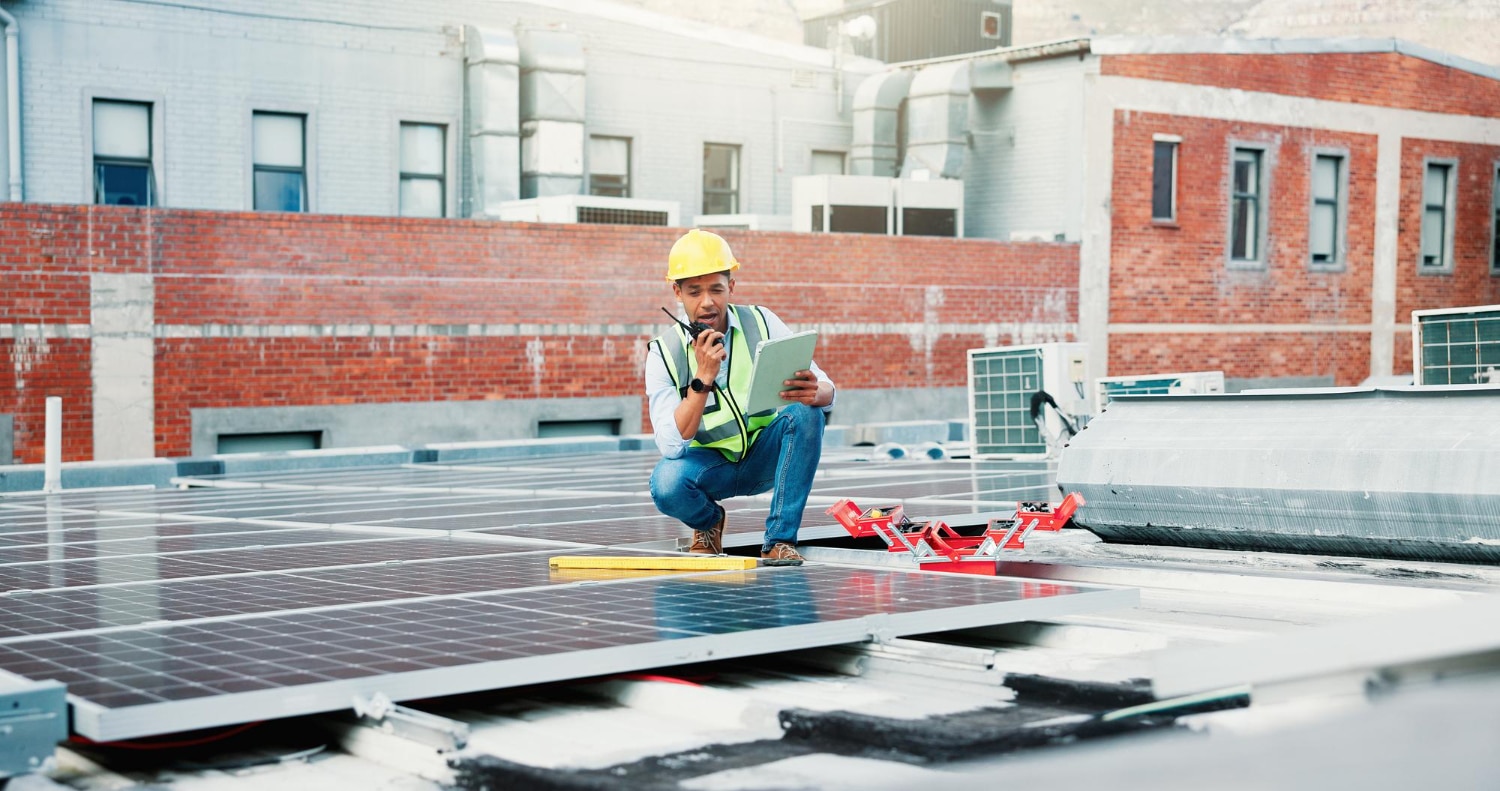
Before you do anything, take a good look at your roof and surrounding land. Not every square metre can house solar panels, so you’ll need to identify the areas that are actually usable. That means checking for obstructions like:
– skylights
– air conditioning units
– vents
– antennae or security systems
– shade from trees or nearby buildings
Start with a clear roof plan and consider the orientation too. North-facing roofs usually perform best in South Australia, but east and west-facing sections can still be effective if there’s enough sunlight.
Once you’ve mapped out what’s usable, think about structure. Can your roof safely handle the added weight of a solar array? Some older buildings may need reinforcement before installation can even begin. Even newer structures might be limited by local council rules or zoning overlays. For sites with confined rooftops or odd shapes, it’s worth exploring ground-mounted systems if there’s room on-site.
Another thing to pay attention to is future development plans. If there’s any chance of extending or modifying parts of the building later, that might impact where the solar system should be placed. Thinking ahead can save both time and money in the long run.
Roof-Mounted vs. Ground-Mounted Systems
Once you’ve scoped out the space, the next step is choosing between roof-mounted and ground-mounted panels. Each type has its strengths depending on what your site layout looks like.
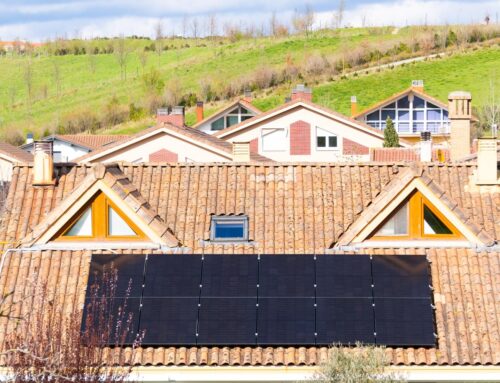
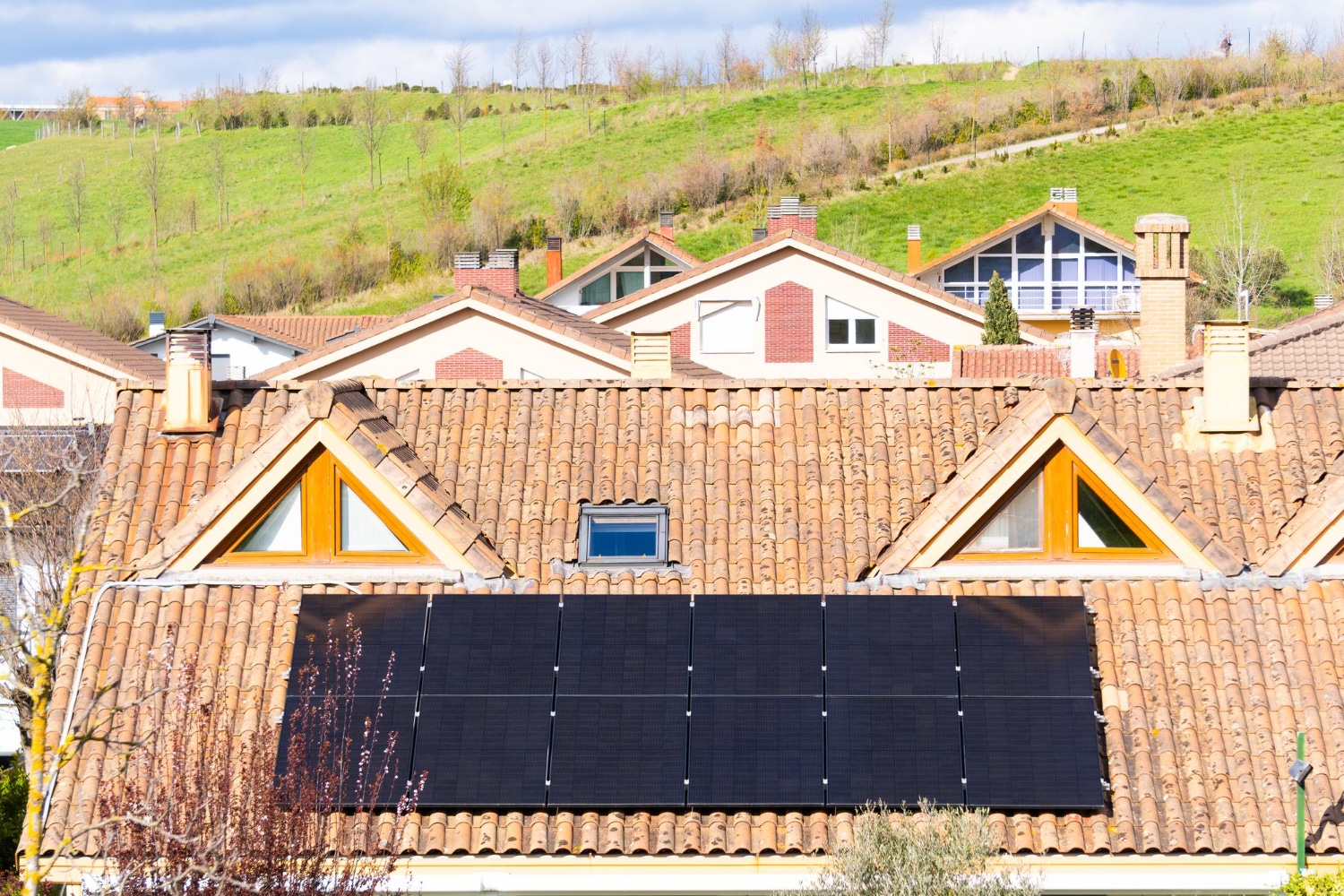
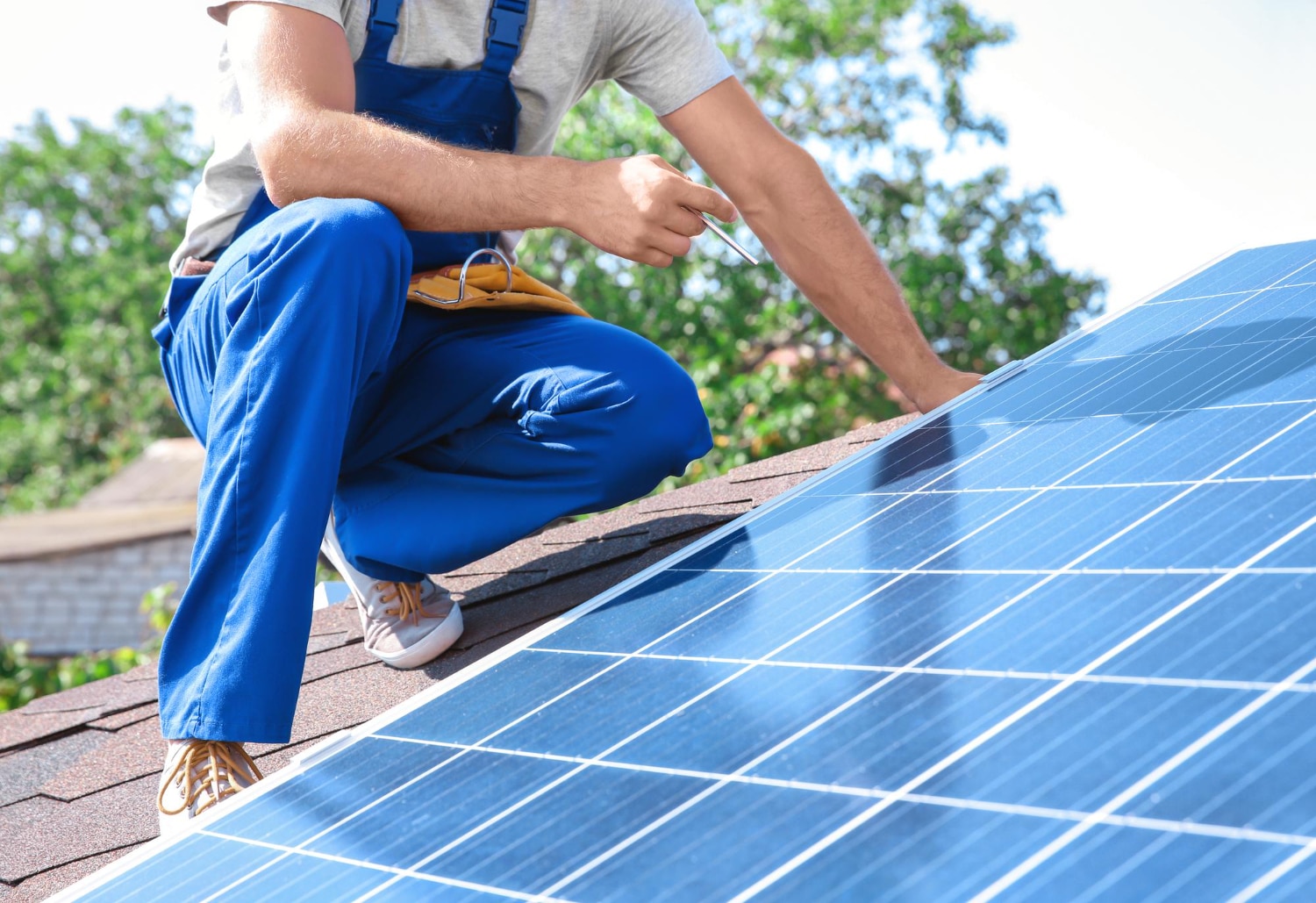
Roof-mounted systems are the most common for commercial properties in Adelaide, especially where space is limited. They take advantage of untapped roof areas and don’t require you to give up valuable ground space. But they do need safe access and enough room to position panels without them shading each other. And as mentioned, the roof must be structurally sound.
Ground-mounted systems are ideal if you’ve got open land that’s underused, like paddocks or empty lots beside warehouses. They’re more flexible in layout, easier to clean and maintain, and allow for better tilt adjustment in some cases. The trade-off, of course, is the need for clear land that’s not going to be interfered with by vehicles or day-to-day operations.
Urban blocks with tight boundaries tend to favour rooftop arrays, while rural commercial sites may find ground-mounted options more suitable. If your Adelaide business falls somewhere in the middle, a hybrid layout might even be worth a look, using both styles to scale the system based on available space.
Navigating Adelaide’s Building Regulations
Once you’ve pinpointed the best location for your solar setup, it’s time to dive into the nitty-gritty of regulations. Every region has its own set of rules for solar installations. In Adelaide, knowing these guidelines can be the key to a hassle-free project. Whether it’s height restrictions, setbacks, or the type of equipment you can use, these regulations ensure the safety and aesthetics of the setup. Being proactive and understanding these details will protect your investment and help prevent expensive modifications down the road.
For many businesses, the paperwork can be a bit overwhelming. This is where a seasoned solar installation expert comes in handy. They not only keep you on track with compliance but also streamline the entire process. Their experience ensures that everything from obtaining permits to final inspections goes smoothly. Plus, they help you avoid any potential pitfalls that could delay your project.
Being aware of local building codes is crucial. The city council’s website or a consultation with a trusted local installer can give you the latest updates and help guide you through the paperwork maze.
Maximising Efficiency in Limited Spaces
When it comes to solar systems, it’s about the quality of the installation, not just the quantity of panels. Smaller solar sites still have a chance to shine by making use of advanced technology and smart designs. Consider options like high-efficiency panels that produce more energy per square metre or systems with adjustable mounts that help you get the best sunlight exposure throughout the year.
Every square metre counts. To make the most of limited roof space, think creatively. By using vertical surfaces, like walls, you can expand your solar array. Similarly, integrating battery storage solutions can optimise how energy is used and stored, adding another layer of efficiency.
One exciting trend is the use of bifacial solar panels, which are capable of capturing sunlight on both sides. This type of innovation could offer a beneficial boost to energy production when space is tight. These panels are a glimpse of where solar tech heads in the future, proving beneficial for Adelaide businesses that are committed to maximising their output.
Getting Started with Your Commercial Solar Project
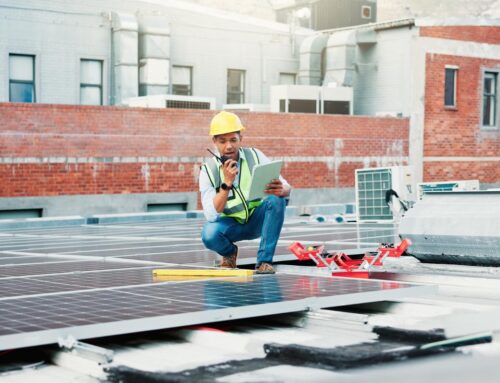
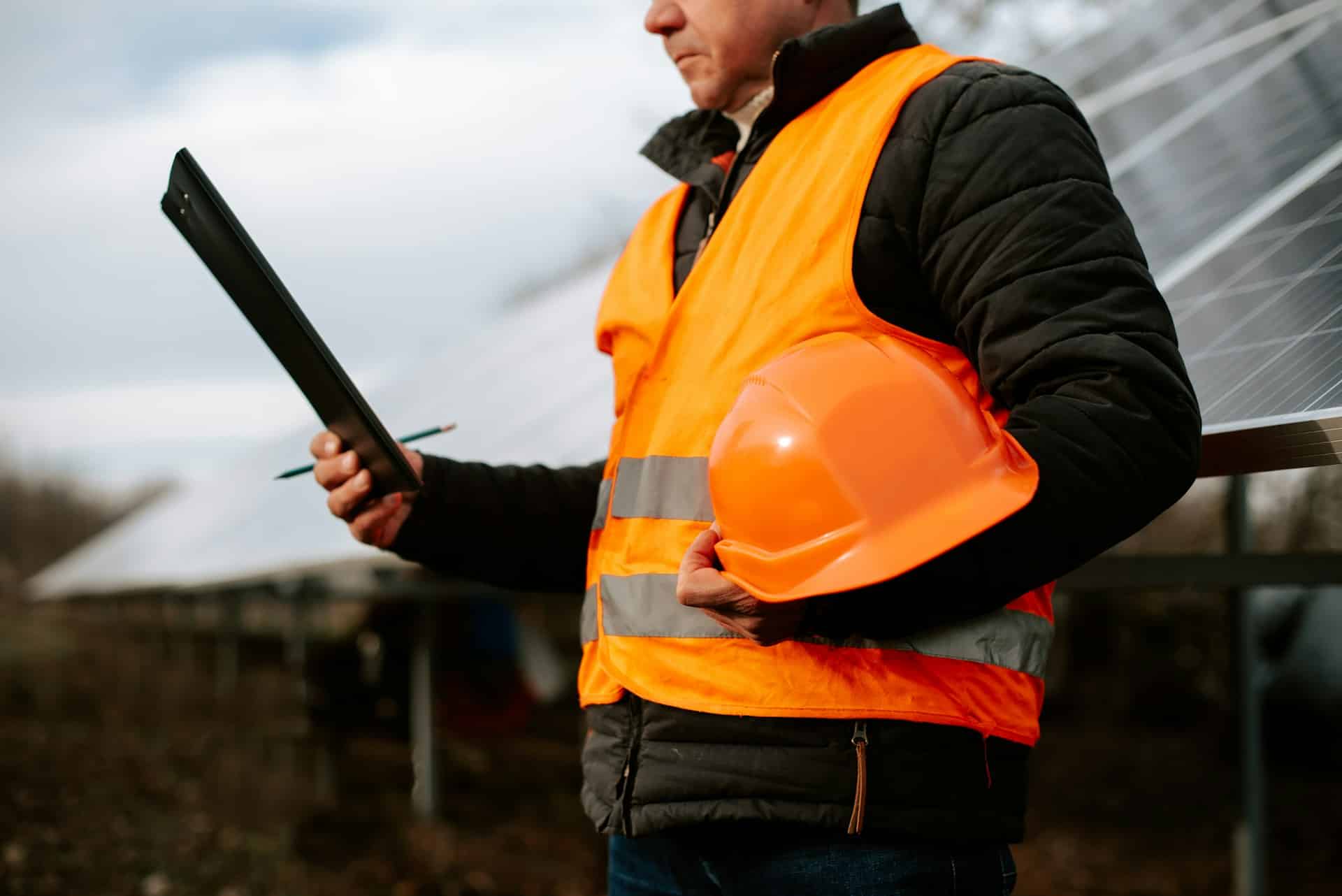
If you’re exploring the switch to commercial solar, start by getting a proper site assessment. This means evaluating your roof structure, mapping out usable space, and identifying any potential issues like shading or obstructions. Once that’s done, you’ll want to speak with experienced professionals who know Adelaide’s building code inside and out.
A tailored solar design is the next key step. This accounts for your energy needs, space availability, sun exposure, and possible battery storage. Top-tier installers will guide you through this, working out ways to get the most from your setup without cutting corners.
Don’t forget about council approvals and compliance checks. These steps might not be exciting, but skipping over them will cause bigger problems later. The good news is, when you’ve got a reputable solar provider on your side, it becomes a much easier process.
Energy Buster works with Adelaide businesses to plan and deliver clean energy solutions that are practical, scalable, and in line with local rules. From the first assessment to the final inspection, every part of the job is handled with care, so you can focus on running your business.
Why It Pays to Plan Solar Smarter in Adelaide
Adopting solar is about embracing a future that’s clean and sustainable. For Adelaide businesses, investing in solar panels can translate into significant benefits, like lowering the carbon footprint and reducing reliance on traditional energy sources. Feeling empowered to make eco-friendly choices sets a powerful example for others while providing tangible operational savings.
Through solar energy, businesses can look forward to long-term gains, both financially and environmentally. As tech advances, those who’ve embraced these solutions stand to gain even more from developments that enhance efficiency and storage capacity. Embracing solar in Adelaide isn’t just a choice. It’s a step towards a sustainable future that benefits everyone.
Thinking about making your business more energy-efficient while cutting back on power bills? Discover how commercial solar in Adelaide can transform your operations. Energy Buster makes it easy to take control of your energy use and invest in a smarter, cleaner future.