If you have ever compared solar bills with your neighbour and noticed different results, you are not alone. Even on the same sunny day in Adelaide, one house might pull much more solar energy than another. That is because solar panel output depends on more than just the weather. It comes down to where the panels sit, how the house uses power, and even which materials the panels are made from.
Homeowners across Adelaide often ask why their system works differently to others. The answer often points back to thoughtful setup and matching the gear to the local conditions. Here, we will go through common reasons why output varies and what really makes a difference.
Roof Angles and Sunlight Access
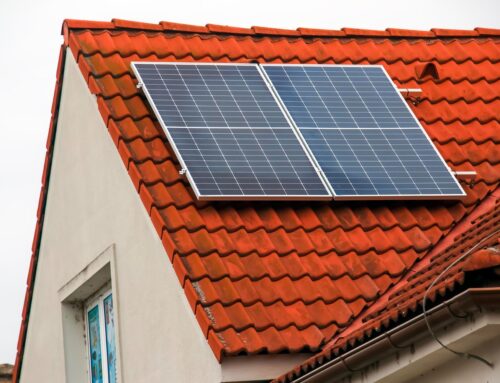
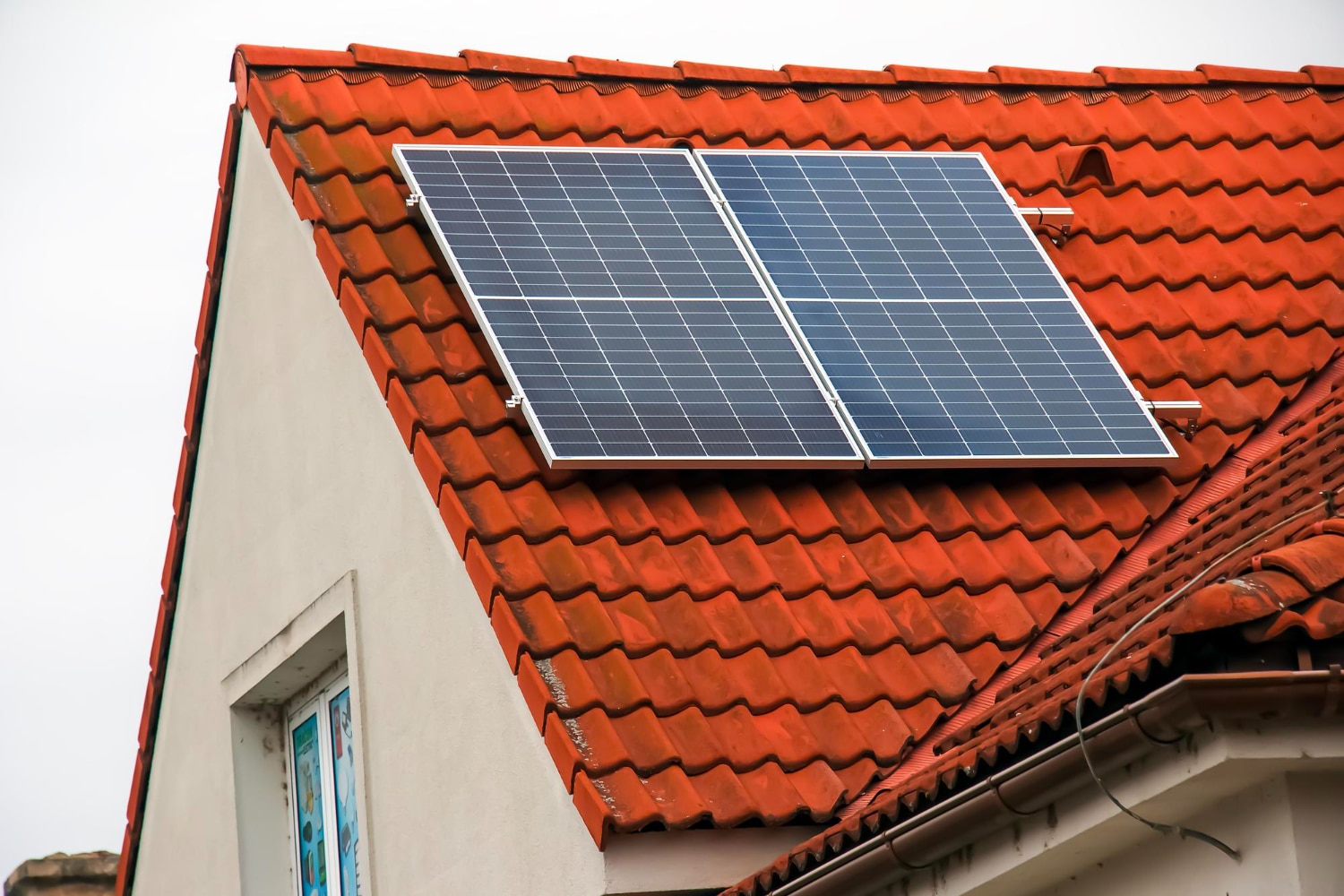
The way sunlight hits your roof shapes how much energy your solar system will make. Roof pitch, direction, and any nearby shade can all affect output. If a roof faces the wrong way or is covered by shadows during the day, even great panels will not deliver their full potential.
In Adelaide, many homes built in the 1960s or 1970s have roof angles that are not ideal for the path of the sun. Newer builds, especially in large developments, often have smaller roof spaces or overlapping designs that block sunlight. Flat or low-pitched roofs present another challenge, because the sun does not always hit panels at the best angle, so careful setup is a must.
When roof space is tricky, it is not about guessing. Small placement changes often make a noticeable difference, especially during spring and summer when longer daylight hours can either be used well or missed.
Panel Quality and Local Weather Conditions
Solar panel output varies by more than just roof. Not every solar panel is built for the unique mix of conditions Adelaide brings. Some panels cope better with high heat, UV, wind, and spring storms, while others might see their output dip after only a few tough weeks.
Look for panels that have been tested specifically for Australian weather. The best panels have demonstrated real durability—like hail resistance for spring storms, proven through lab testing that checks for strong wind, rain, and temperature swings. Adelaide’s wild summer heat calls for technology that will not lose efficiency when it matters most. At Energy Buster, panels are picked for high hail durability and consistent production after Australian lab tests.
In the long-term, a cheap panel that loses its output after months of strong sun is not a deal. Reliable panels maintain power levels season after season, helping your system perform at its best year-round.
Daily Usage and Battery Pairing
What you do with your solar energy matters as much as how it is produced. Two households with the same panels might still see different results just from their power habits. If your home uses more energy at night, but the panels make their energy by day, you might not be using all of what you generate—unless you store it.
That is where battery pairing comes in. A battery stores extra power from sunny periods, ready for when demand climbs in the evening or during a grey afternoon. For families with later routines or small businesses that keep the lights on, a good battery setup can help save more of what your panels make.
Matching battery size to your daily needs is important. The better this link, the more total energy your household or business can use from storage—boosting your overall savings and making the most of every ray.
Supply Chains and Ethical Choices
Adelaide buyers are giving more thought to how and where their solar panels are made. Safer, cleaner products with slavery-free and toxic-free credentials are easier to find, and more homes are asking for them by name. These panels are independently audited not just for performance, but also for supply chain responsibility.
Panel brands with slavery-free and toxin-free supply chains offer peace of mind, with extra assurance for families who care about more than just the panels on their roof. Energy Buster only sources ethically made panels that are certified for responsible supply and non-toxic manufacturing.
Asking for certification is a straightforward way to make sure your solar fits both your roof and your values.
Panel Testing and Independent Results
No one wants to be let down by bold sales promises that do not match real performance. Reliable systems are supported by independent test data—proof that the panels will live up to claims throughout Adelaide’s heat and storms.
Panels that earn strong ratings from Australia-based labs or global testing houses come ready for whatever the local weather throws at them. These tests check how the panels manage heat, cold, changes in light, and even sudden swings. This helps predict how your panels will perform months and years after installation.
When we help guide panel selection, we steer toward those with proven results. Test-backed panels consistently provide the expected power output, keeping surprises off your bill.
What Adelaide Homes Can Do for Better Results
Solar panel output is not just about getting sunlight. It ties into your home’s location, roof setup, energy habits, and the strength of the system itself. No two installations are exactly the same, but better results are easier to reach with some planning.
Choose panels rated for local weather, check for independent results, and match battery size and design to your actual power needs. With these practical steps and the right local support, every Adelaide home stands a better chance of strong, stable solar output—whatever the season brings.
Planning a solar setup that fits your Adelaide roof and suits your daily power use can make a big difference throughout the year. The right mix of design, battery storage and panel quality shapes how your system performs and holds up through our changing weather. If you want steady gains over time, it helps to understand what influences your solar panel output and how to work with the conditions around you. At Energy Buster, we’ll walk you through those choices so everything feels simple and clear. Let’s talk about the setup that fits your space best—just reach out to us today.