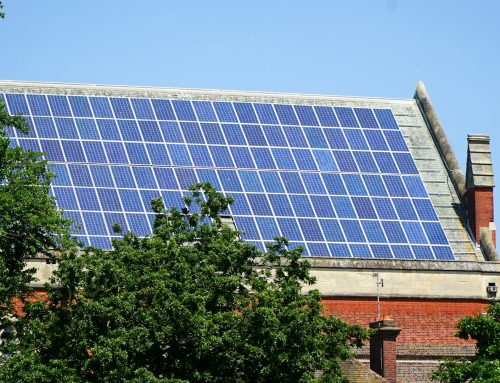
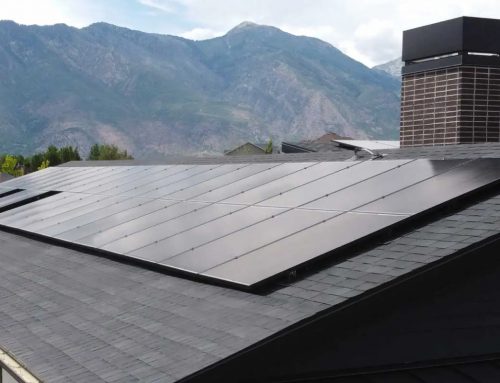
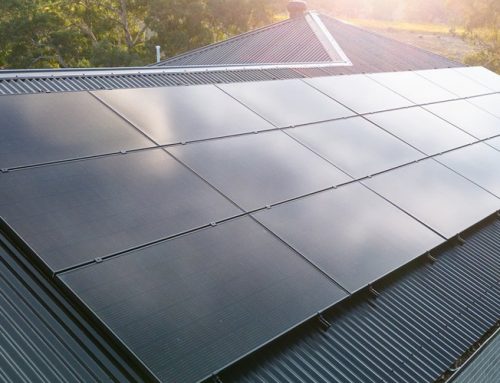
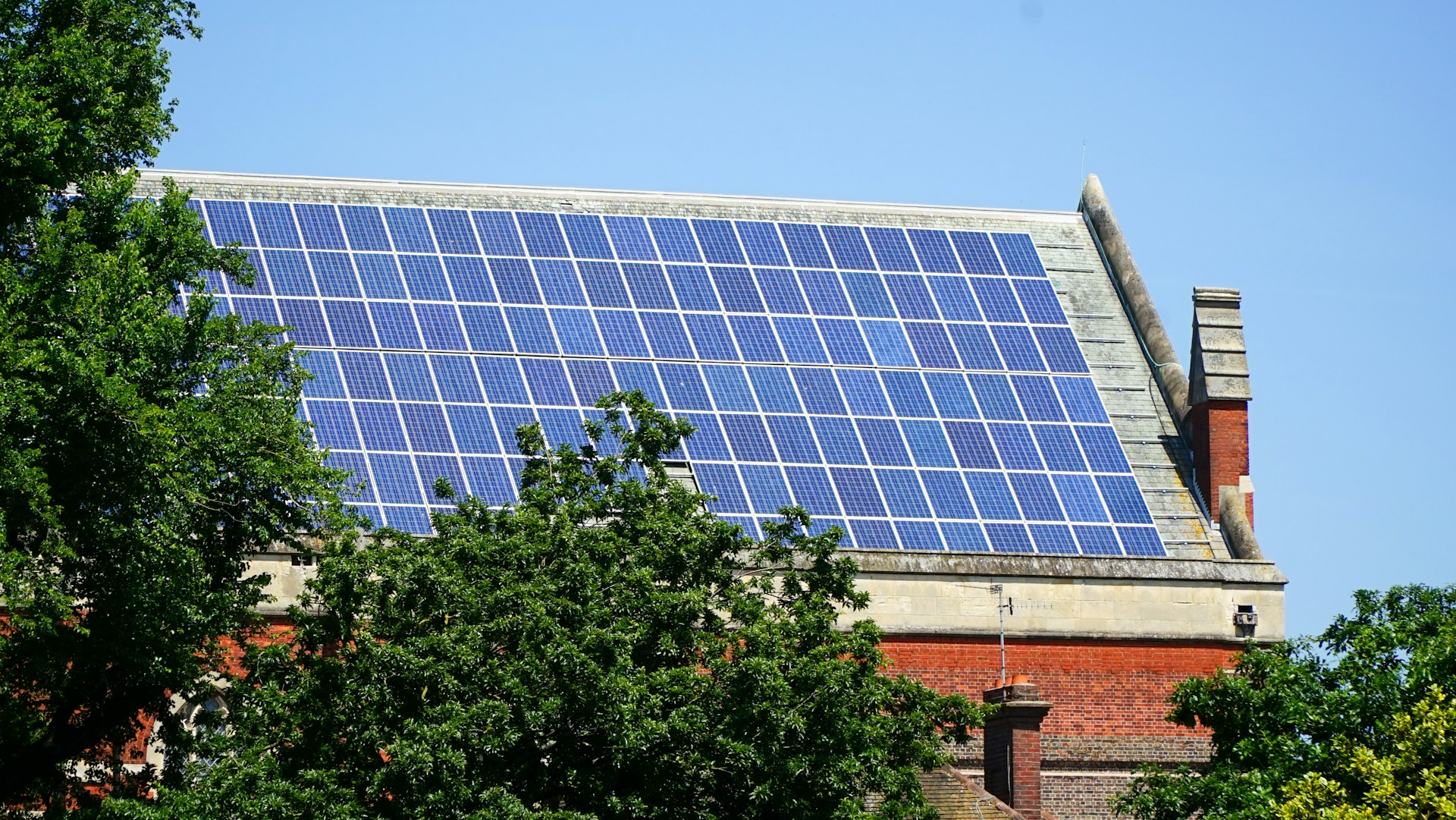
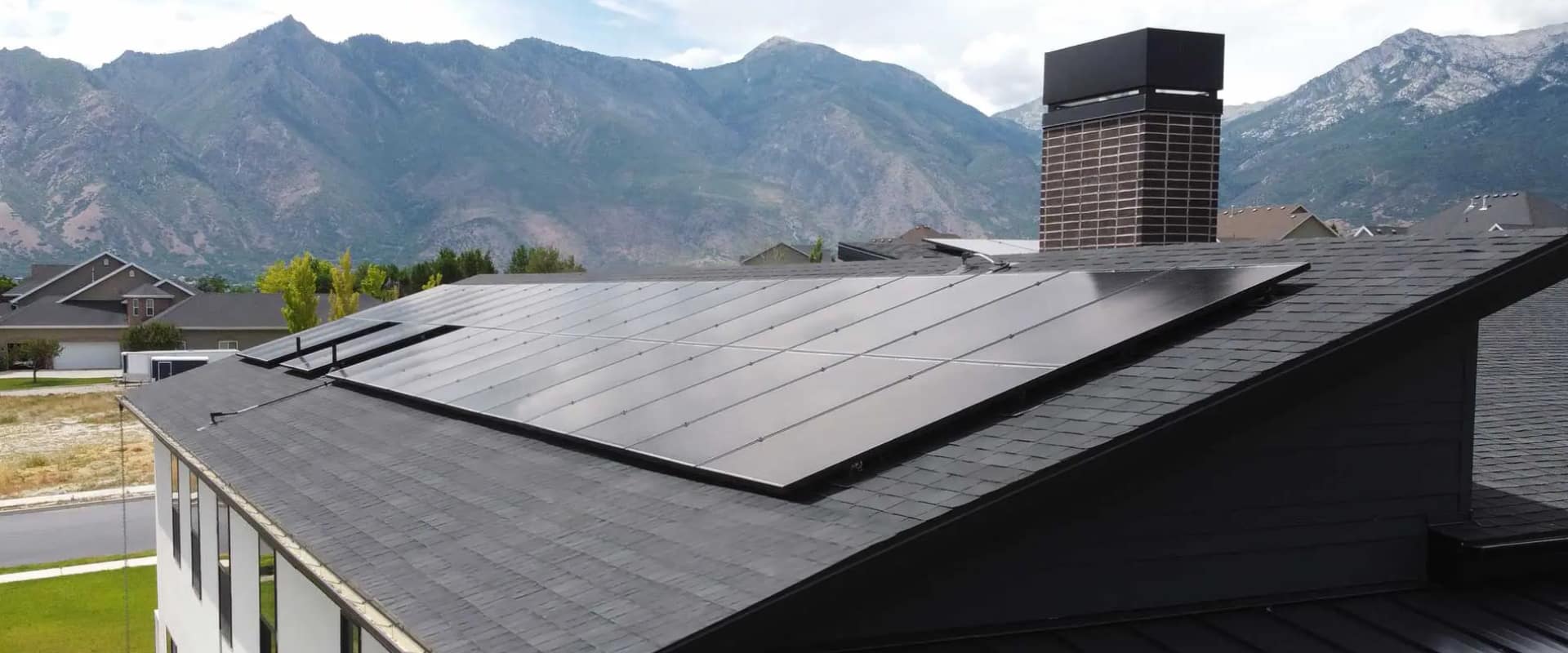
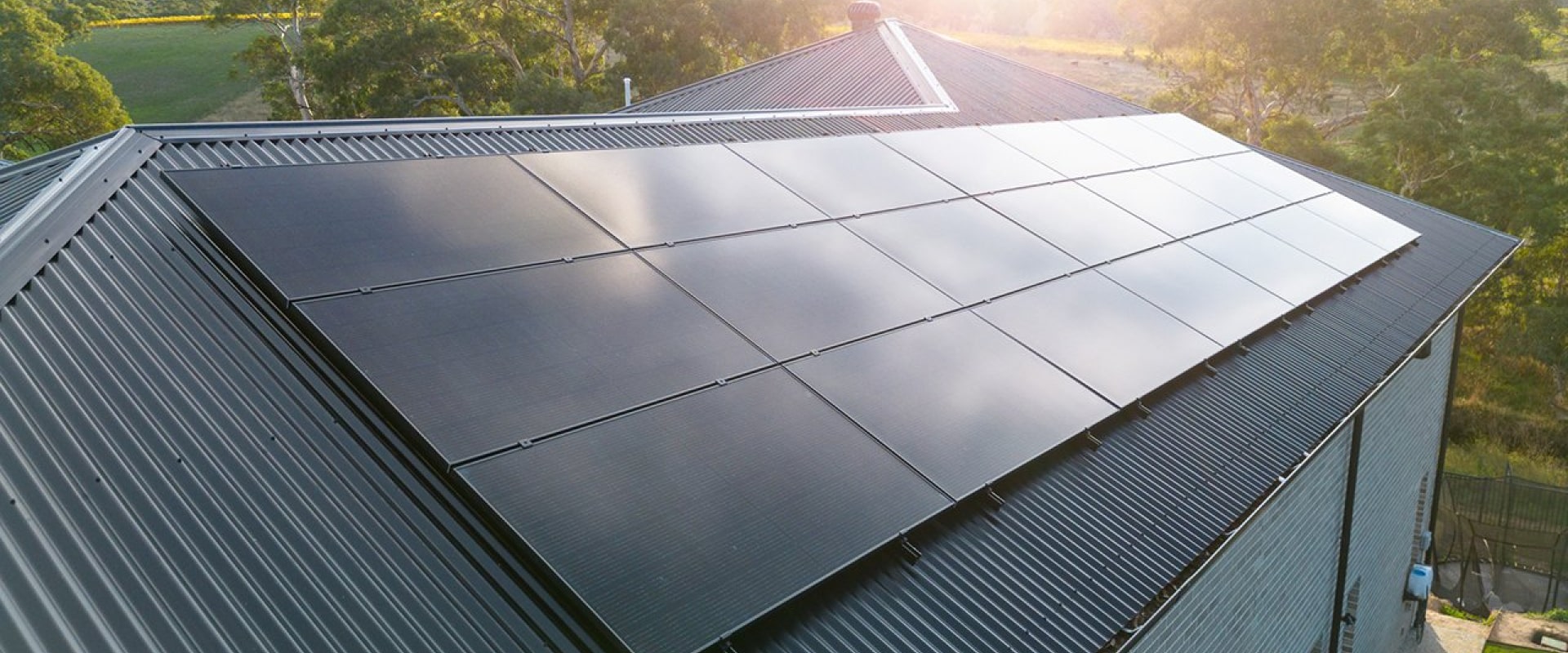
Solar mounting systems do the quiet work behind every panel install. While they might not grab the spotlight, they are what keeps each panel on your roof secure, steady, and where it is meant to be. In a place like Adelaide, where storms can hit fast and summer heat tests everything, mounting systems need to handle more than just a still day in the sun.
They are built to withstand strong winds, surprise hail, and long runs of heat—sometimes in the same week. That kind of pressure means the setup holding your panels in place has to be just as strong and smart as the panels themselves. Here’s what these systems do, why they matter, and what to think about when fitting solar panels to your home or business roof.
What a Mounting System Does (and Why It Matters)
Solar panels do the job of converting sunlight to power, but without something sturdy to hold them in place, they would not last long. A mounting system is the gear that bolts panels to your rooftop. Like any structure, its strength depends on how well it is matched to your space and local weather.
In South Australia, weather can change fast. Intense heatwaves, wild wind gusts, or heavy downpours can all hit in one day. A secure mounting system keeps panels from shifting or lifting. It spreads load across the roof so no single point carries too much weight or pressure, offering crucial protection to the roof itself.
A proper mount helps avoid big issues down the track. That includes things like roof leaks, cracked tiles, or panels working loose and shaking during strong winds. When panels feel loose or uneven, it can also affect how well they produce power. The small stuff adds up. If you are investing in a high-performing energy setup, it makes sense to have a base that helps it last.
Matching the Mount to the Roof Type
Not all roofs fit panels the same way. In Adelaide, many homes—especially the postwar or 70s builds—have low-pitch tin or tiled roofs. These shapes can make things tricky, especially if there is not much slope to work with.
The angle of the roof, the strength of the materials underneath, and even how older structures were built all affect how mounting systems sit. Good installers choose gear made for different roof types. Some are designed to clip gently onto metal sheets, while others are built to fasten across tiled surfaces without cracking or slipping.
The best systems are lightweight without being flimsy. They need to be roof-friendly but still strong enough to handle real weather. If the setup tries to force a one-size-fits-all design, the risk of long-term strain gets higher. Fault lines, minor movement, or warped rails can all cause trouble. When the right gear meets the right structure, everything works better from day one.
Testing, Materials, and Local Conditions
It is not just about how something looks on the roof—it is how it holds up under pressure. That is why testing matters. Good solar mounting systems are checked through independent labs, not just for weight and fit, but for things like wind pull, hail resistance, and how they perform after sitting under direct sun for days on end.
In South Australia, summer does not give panels much breathing room. Between the heat and the gusty weather near the hills and coast, there is no shortage of force pressing on each part of a solar system. With all that going on, weak joins or cheap frames can start to warp, shift, or corrode.
This is where materials matter. Metal parts exposed to sun and wet need to fight off rust and expansion. Stronger alloys—especially ones used in marine or building-grade projects—tend to last much longer. Having gear that has passed local tests for hail and heat helps you feel confident that nothing is quietly falling apart up there while the system is working. Energy Buster only installs mounting systems certified for Australian wind zones and South Australian weather, making them fit for both city and country homes.
Why Ethical Sourcing and Safety Go Hand in Hand
A lot of the solar conversation centres around the panels, but the parts you do not see matter just as much. Mounting gear is made from materials that start somewhere—mined metals, processed plastics, sometimes resins or coatings. How those parts are handled and where they come from affects the impact they leave behind.
Some makes still use unsafe chemicals or rely on suppliers known to cut corners in the chain. That does not just affect the environment. It can affect your home too. Toxic materials can run hotter or break down faster. Systems built from unsafe labour conditions can hide warning signs that do not show until something fails.
Choosing mounting systems that are verified to be slavery-free and low-tox helps protect what matters on both ends. It is not just about doing the right thing. It means your setup is more likely to be made with care, tested properly, and built to last. Energy Buster follows a strict sourcing process, using low-tox, clean supply chain hardware for all installations.
What Holds It All Together Counts Too
When most people think about solar, they picture shiny panels soaking up sunlight. But what holds those panels in place across heat, rain, and wild weather is just as important. Strong, Australian-tested mounting gear gives everything its footing.
In a place like Adelaide, where warm weather stretches long and wind can sneak up without warning, it pays to think about what is under your panels. Solid mounting systems, matched to local roofs and built from high-quality materials, are key to a longer-lasting solar setup. Choosing the right base early means less stress later. When it is done right the first time, you will not need to think about it again.
Choosing strong, well-matched gear is just one part of setting up solar, but having the right base helps everything last longer through Adelaide’s heat and storms. When your roof is ready and a cleaner, more reliable setup is on your mind, we can show you how it all works before a single panel goes up. To see how gear choices make a lasting difference, take a look at our page on solar mounting systems. At Energy Buster, we focus on solid installs that suit your home or small business from the ground up. Give us a call if you’re ready to start planning.